
Turn Your Hobby Into a Real Income Stream
You already have something people will pay for. Cooking, photography, crafting, fitness, music, writing, gardening, gaming. This playbook shows you how to package what you love into a business that pays you to keep doing it. Follow the 13 steps and you'll have a live, selling business in under a month.

Before You Start
Here's what you'll need before diving in:
- •Something you genuinely enjoy doing: a hobby, skill, or interest
- •A computer or phone with internet access
- •About 1–2 hours per day for the first week, then 2–4 hours per week
- •$50–100 initial budget (domain ~$15/year, the rest is optional)
- •Willingness to share what you know. You don't need to be the world expert, just one step ahead of your audience
Good news: You don't need a business plan. You don't need business experience. You just need something you love and the willingness to package it for people who want to learn from you. Someone out there needs exactly what you already know how to do.
Phase 1
Discover
Days 1–3
Phase 2
Build
Days 3–5
Phase 3
Launch
Days 5–7
Phase 4
Grow
Days 14–30
Videos rendering — 4 clips in progress
Your 60-second walkthrough of the Profit From Hobbies playbook is being generated. 4 clips stitched into one seamless intro that auto-plays as a single file.
Discover
Find your profitable idea, validate it with real people, and define a clear offer.
Find Your Profitable Idea
The best business ideas come from what you already know and love. You don't need to invent something new. You need to package what you already do in a way people will pay for.
Brainstorm your ideas
Make a list of everything you're good at, passionate about, or get complimented on. Don't filter yet. Just write it all down.
- What do friends and family ask you for help with? Cooking, tech support, organizing, styling, fixing things.
- What could you talk about for an hour without getting bored? Fitness, plants, movies, cars, fashion, history, cooking techniques.
- What hobbies do you already spend time and money on? Photography, gaming, crafting, baking, music, gardening.
- What skills have you built through work or life? Writing, coaching, design, teaching, project management.
- What do people tell you “you should charge for this”? This is your biggest clue. Pay attention to it.

Score your ideas
For each idea, rate 1–5 on three criteria: (1) How much do I enjoy this? (2) Would people pay for this? (3) Is there already a market? (Someone else selling it is proof people buy it.) Pick the idea with the highest total score.
Ask me this:
“I'm interested in turning my hobby of [hobby] into a business. Help me brainstorm ways to monetize it and find my best angle.”
Validate Your Idea
Before you invest time and money, confirm that people actually pay for what you're offering. Validation saves you from building something nobody wants.
Check the market exists
- Search Google: “[your idea] for sale” or “best [your idea] course”. Do results exist? That's proof.
- Check social media: Search hashtags related to your idea. Are people talking about it? Are there creators already building audiences?
- Browse marketplaces: Etsy, Gumroad, Udemy, Amazon. Are similar products selling? How many reviews do they have?
- Look at competitors: Who's already doing this successfully? Their existence is validation, not a reason to quit.
Find your angle
You don't need to be the only one. You need to be different. Maybe you're the budget option. Maybe you serve a specific audience (yoga for dads, cooking for college students). Maybe your personality and teaching style is the differentiator.
Talk to potential customers
Find 5 people who match your target audience. Ask them: “What's the hardest part about [topic]?” “What have you tried that didn't work?” “If someone solved this for you, what would that be worth?” Their answers tell you exactly what to build.
The $20 test
Post on social media or in a relevant group: “I'm offering [service/product] for $20 to my first 5 customers.” If 5 people say yes, you have a business. If nobody bites, adjust your offer or audience.
Define Your Offer
Now turn your idea into something people can buy. “Cooking help” is vague. “5-week meal prep course for busy parents” is an offer. Specificity sells.
Choose your business model
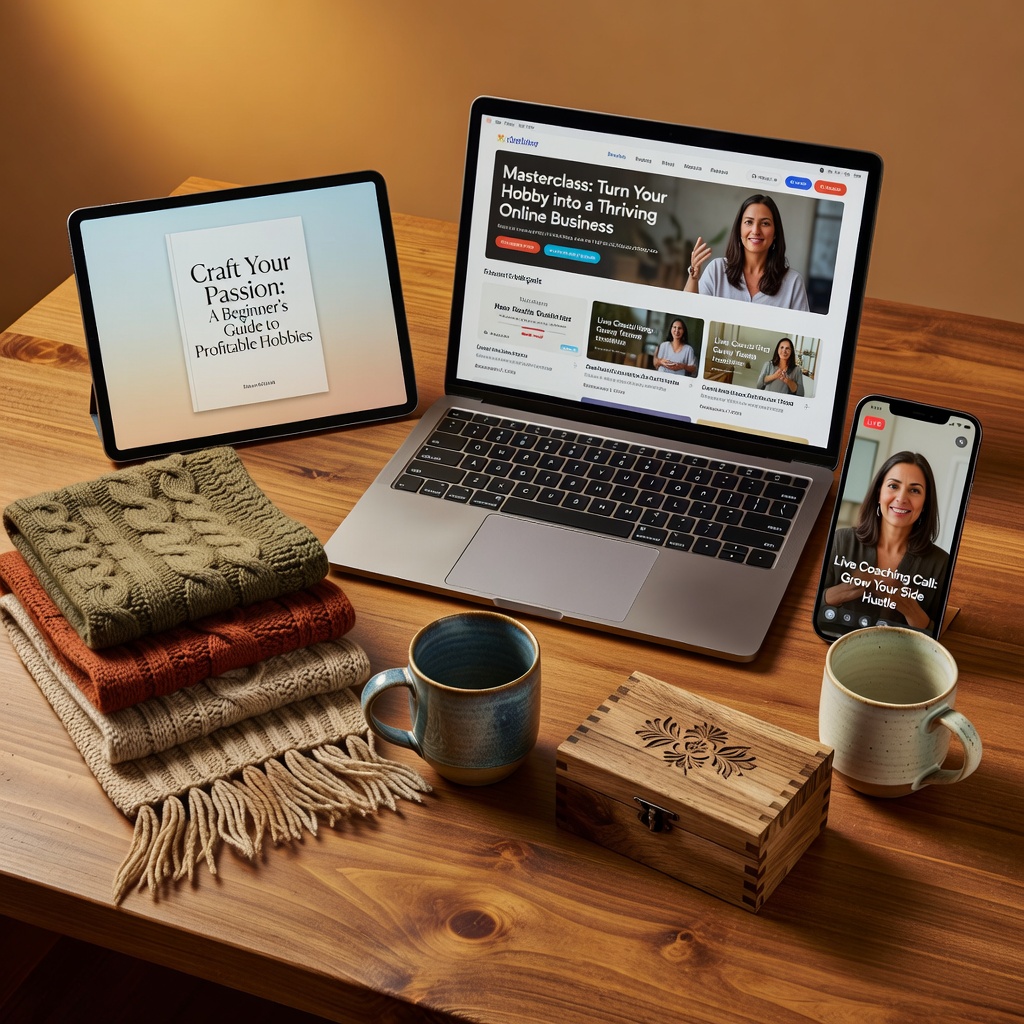
- Digital products — Ebooks, templates, printables, presets, recipes. Create once, sell forever. Lowest overhead.
- Online course or workshop — Teach your skill step by step. Higher price point, more perceived value.
- Coaching or consulting — One-on-one help. Highest hourly rate, but trades time for money.
- Membership or subscription — Monthly access to exclusive content or community. Recurring revenue.
- Physical products — Handmade goods, prints, kits. More logistics but tangible value.
- Content creator — Blog, YouTube, social media with ads, sponsors, and affiliate income.
Name your offer
Give it a clear, benefit-focused name. Not “Photography Course” but “From Auto Mode to Pro: Master Your Camera in 30 Days.” Not “Meal Plans” but “Done-for-You Weekly Meal Plans for Families of 4.” A great name sells the result.
Set your price
Research what similar offers charge. Start slightly below market to get your first customers and reviews. You can raise prices once you have proof and testimonials. A common mistake: pricing too low. If you undervalue your work, customers will too.
Ask me this:
“Help me define my offer for selling my [hobby/skill]. What's the best business model and what should I charge?”
You'll Know Phase 1 Is Done When:
- □You've identified at least 3 hobby-to-business ideas
- □Your top idea has been validated (people are already paying for similar things)
- □You've talked to potential customers about their needs
- □Your offer is clear, specific, and named
- □You've set your starting price
Build
Build your brand platform, create your first product, and set up your sales system.
Build Your Brand & Platform
You need a place where people find you, learn about your offer, and buy. Your platform is your storefront. It's where trust gets built and transactions happen.
Pick your platform mix
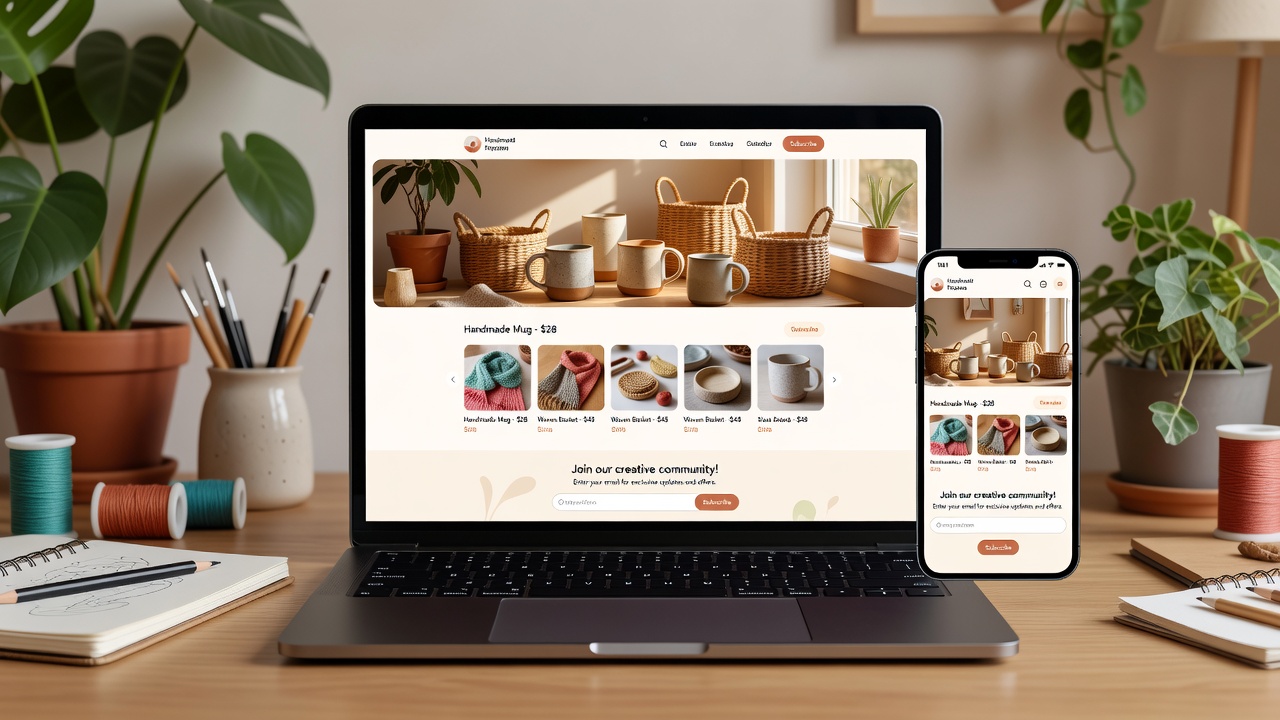
- A website — Your home base. You own it, you control it, and it builds your brand. This is non-negotiable.
- Social media account — Where your audience already hangs out. Instagram, TikTok, YouTube, Pinterest. Pick the one your customers use most.
- Marketplace account — Etsy, Gumroad, Teachable, Udemy. Instant access to buyers, but they take a cut and you don't own the relationship.
Start with a website
Even if you also sell on Etsy or social media, a website is your owned asset. It's where you build your email list and your long-term brand. Markets and algorithms change, but your website is yours forever.
Copy and paste this prompt
Set up Stripe to get paid
Connect Stripe in your site's settings. Visitors can buy directly on your site with a credit card. The money goes straight to your bank account. It takes about 5 minutes to connect.
Ask me this:
“Build me a beautiful website for my [hobby] business. I sell [product/service] and my audience is [audience].”
Create Your First Product
Don't try to build your masterpiece first. Create version one. Good enough to sell, imperfect enough to ship fast. You can always improve it based on what real customers tell you.
Minimum viable product examples
- Instead of a 10-module course: start with a 1-hour workshop
- Instead of a 200-page ebook: start with a 20-page guide
- Instead of 50 recipes: start with your top 10
- Instead of a full coaching program: start with a single session
- Instead of 20 product designs: launch with your 5 best
Make it great, not perfect
Spend your time on what the customer cares about: clear instructions, helpful content, nice presentation. Don't obsess over the logo, the font, or the perfect shade of blue. Customers buy results, not polish.
Add social proof from day one
- Include a preview or sample so people can see what they're getting
- Share your own before/after if relevant
- Offer a money-back guarantee (reduces risk for first-time buyers)
- Collect testimonials from anyone you've helped for free
Ask me this:
“Help me outline my first [product type] about [topic]. What should it include to deliver real value to a beginner?”
Set Up Lead Capture & Email
Not everyone buys immediately. Some people need to trust you first. Your email list nurtures those people until they're ready to purchase.
Create a free lead magnet
Something valuable you give away to capture emails. A free mini-guide, a checklist, a template, a sample lesson, a 5-day email challenge. It should be genuinely useful. This is the first impression of your brand, so make it count.
Where to put it
- Homepage — Above the fold or as a popup
- Every blog post or content page — Contextual signup prompts
- Your social media bio link — Drive followers to your list
- In your email signature — Every email you send becomes an ad
Connect to your CRM
Every signup goes into your contacts with a tag like “hobby-subscriber” or “free-guide-download”. You'll nurture these leads with email sequences that build trust and drive sales over time.
Ask me this:
“Help me create a free lead magnet for my [hobby] business and add a signup form to my homepage.”
Build a Simple Sales Page
Your sales page is where people decide whether to buy. A good sales page answers every objection before the customer thinks of it. It removes doubt and makes the decision easy.
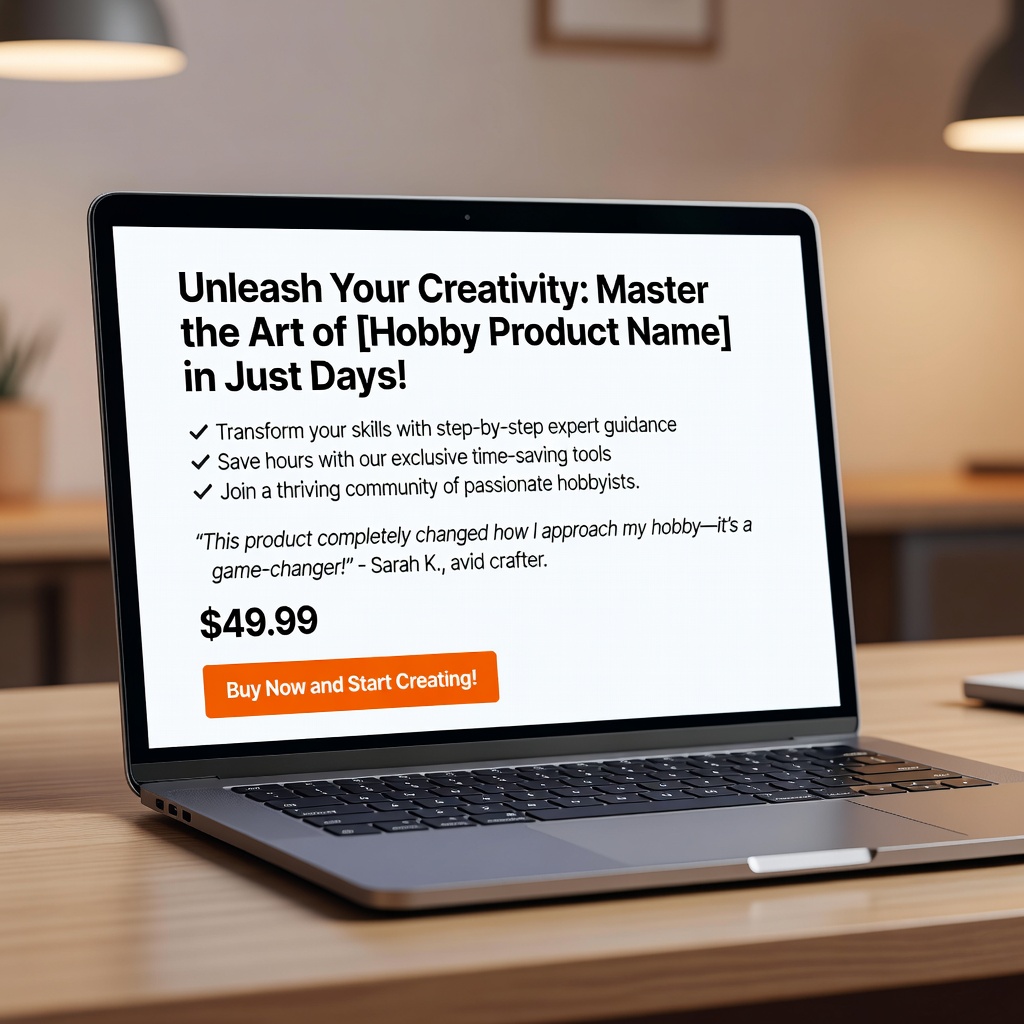
The sales page formula
- Headline: State the result your customer will get. “Master watercolor painting in 30 days, even if you've never held a brush.”
- The problem: Describe the frustration they're feeling right now. Show them you understand.
- Your solution: Introduce your product as the answer. What is it, exactly?
- What's included: Bullet list of everything they get. Be specific: “5 video lessons, 10 templates, lifetime access.”
- Benefits, not features: Each bullet answers “so what?” Not “10 modules” but “10 step-by-step modules that take you from total beginner to selling your first piece.”
- Social proof: Testimonials, results, “joined by 50+ students,” screenshots of happy customers.
- Price and guarantee: Show the value clearly. “Normally $197, launch price $47.” Include a guarantee: “30-day money-back if you're not thrilled.”
- CTA: One clear button: “Enroll Now,” “Get Instant Access,” “Buy the Guide.”
The one-page rule
Every sales page should drive ONE action. One product, one CTA. If you sell multiple things, make separate pages. Confusion kills conversions.
Ask me this:
“Write a compelling sales page for my [product] that follows the sales page formula. My audience is [audience] and the main benefit is [benefit].”
You'll Know Phase 2 Is Done When:
- □Your website is live with your brand
- □Your first product (MVP) is ready to sell
- □Lead capture form is on your site
- □Sales page is built with clear CTA
- □Stripe is connected to accept payments
Get the Hobby Business Checklist
A beautifully formatted printable with all steps, bonus tips, and a 30 day calendar. Delivered instantly. Perfect to stick on your wall and check off as you build.
- All steps in checklist format
- Bonus launch tips not in the guide
- 30-day action calendar
Join 1,000+ entrepreneurs getting weekly tips. No spam, unsubscribe anytime.
Launch
Get your first customers, collect social proof, and launch your email nurture sequence.
Get Your First Customers
Your first customers are the hardest, and the most important. They give you confidence, testimonials, and proof that your business works. Everything gets easier after the first sale.
Where to find your first customers
- Your existing network — Tell friends, family, and social media followers what you're launching. These people already trust you.
- Online communities — Reddit, Facebook groups, Discord servers where your audience hangs out. Participate first, promote second.
- Direct outreach — Find people asking for help with your topic and offer genuine value before mentioning your product.
- Launch discount — Offer a special price for your first 10 customers to build momentum and get reviews quickly.
The personal launch approach
Don't just post “I launched a course.” Send personal messages to 20 people: “Hey [name], I remember you mentioned struggling with [problem]. I just created something that might help. Want me to send it over?” Personal outreach beats broadcast posts every time.

Handle sales anxiety
Feeling weird about selling? Remember: if your product genuinely helps people, you're doing them a disservice by not telling them about it. Selling isn't pushy. It's connecting someone with a solution to their problem.
Build Social Proof
Social proof is the most powerful sales tool you have. People trust other customers more than they trust you. One great testimonial can double your conversion rate.
Collect testimonials immediately
After every sale or delivery, ask: “What was your favorite part?” or “What result did you get?” Make it easy. Send a quick email or DM with a simple question. Don't wait until you have 100 customers. Start collecting proof from customer number one.
Types of social proof to collect
- Written testimonials — 1–3 sentences about their experience
- Before/after stories — The most convincing kind. Show the transformation.
- Star ratings — Even 1–2 five-star reviews build credibility fast
- User-generated content — Customers sharing your product on social media
- Numbers — “Joined by 50+ students,” “Rated 4.9/5,” “Over 200 downloads”
Display proof everywhere
Put your best testimonial on your homepage. Add reviews to your sales page. Share customer wins on social media. The more proof you show, the easier selling becomes. Social proof compounds over time.
Ask me this:
“Write a follow-up email I can send to customers asking for a testimonial after they purchase my [product].”
Launch Your Email Nurture Sequence
Turn subscribers into customers with a simple email sequence. Most people need to hear from you multiple times before they buy. An automated sequence does this work while you sleep.
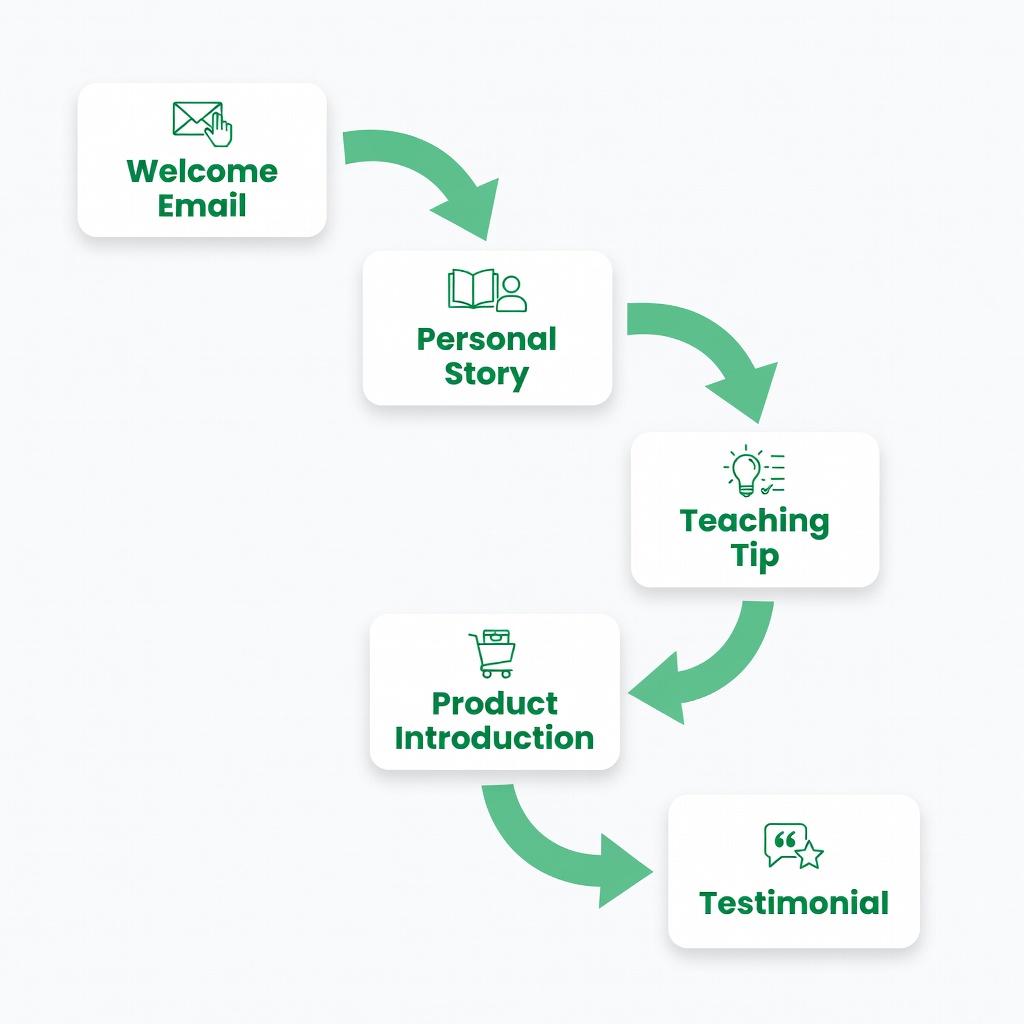
Create a 5-email welcome sequence
- Email 1 (instant): Deliver your lead magnet, welcome them, and set expectations for what's coming.
- Email 2 (day 3): Share your story. Why are you passionate about this topic? What's your journey?
- Email 3 (day 5): Teach something valuable. A tip or insight they can use immediately. Prove your expertise.
- Email 4 (day 7): Introduce your paid offer naturally. Here's how to go deeper.
- Email 5 (day 10): Handle objections. Answer FAQs and share a testimonial from a happy customer.
The 80/20 rule
80% valuable free content, 20% promotion. If every email is a sales pitch, people unsubscribe. If you never make an offer, you don't make money. Balance builds trust and revenue at the same time.
Track what resonates
Watch which emails get the most opens and clicks. If your teaching emails get high engagement, send more of those. If your offer emails get ignored, test a different approach. Your subscribers tell you what they want. Listen to them.
Ask me this:
“Create a 5-email welcome sequence for my [hobby] business that builds a relationship and introduces my paid offer.”
You'll Know Phase 3 Is Done When:
- □You've reached out personally to at least 20 potential customers
- □Your first sale is made (or you have real interest)
- □At least 1 testimonial collected and displayed
- □Social proof is visible on your site
- □Welcome email sequence is live
Grow
Grow your audience with content, expand your offers, and build a lasting brand.
Grow Your Audience with Content
Content is your free marketing engine. Every post, video, or article you create attracts people who might become customers. The best part: content keeps working long after you publish it.
Choose 2 content channels
- Blog posts — SEO-driven, brings traffic from Google for years. Perfect for evergreen topics.
- YouTube videos — Tutorials, behind-the-scenes, your creative process. Video builds deep trust.
- TikTok/Reels — Short tips, quick transformations, relatable content. Fast reach, younger audience.
- Pinterest — Visual how-tos, inspiration boards. Excellent for creative hobbies like crafting, cooking, home decor.
- Podcast — Deep dives, interviews, building a loyal audience that trusts your voice.
- Newsletter — Direct relationship with subscribers. You own the channel, no algorithm in between.
Content ideas that attract buyers
- Tutorials showing your expertise in action
- Behind-the-scenes of your creative process
- Customer transformations and wins
- Common mistakes and how to avoid them
- Your personal journey and lessons learned
- Quick tips and hacks your audience can use today
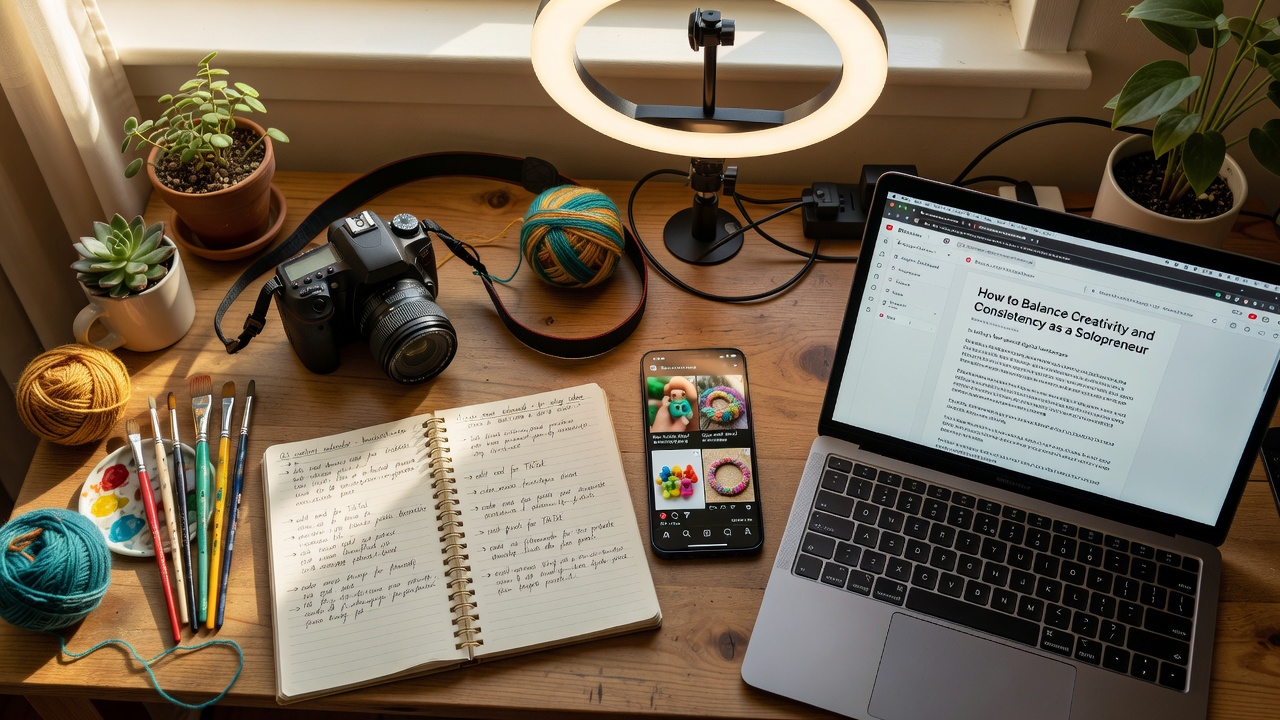
Posting strategy
Start with 2–3 pieces per week. Repurpose one piece of content across formats: a blog post becomes a video, a video becomes short clips, short clips become social posts. Work smarter, not harder. One idea can become five pieces of content.
Ask me this:
“Give me 10 content ideas for my [hobby] business and draft my first blog post.”
Expand Your Offers
Once you have customers and proof, you can make more money without finding new customers. The easiest sale is to someone who already bought from you. They trust you. They want more.
Ways to expand your revenue
- Create a premium version — Take what you already sell and add bonuses, 1-on-1 support, or advanced content.
- Add complementary products — A course graduate buys your advanced course. A recipe buyer buys your meal planner template.
- Offer bundles — Package multiple products together at a slight discount. Higher average order value.
- Launch a membership — Monthly access to you, new content, and a community. Predictable recurring revenue.
- Raise your prices — Once you have proof and testimonials, you're worth more. Don't be afraid to charge accordingly.
Listen to your customers
What do customers ask for after buying? “Do you have an advanced version?” “Can I get coaching too?” “Is there a template for this?” These requests ARE your next product. Build what people are already asking for.
When to add new offers
Don't expand until your first product is selling consistently and you have happy customers. One great offer beats five mediocre ones. Master one, then add the next. Depth beats breadth every time.
Ask me this:
“Based on my [hobby] business selling [product], suggest my next product or upsell opportunity.”
Build a Long-Term Brand
Turning a hobby into real, lasting income takes consistency. The people who win aren't the most talented. They're the ones who keep showing up, week after week, even when it feels like nobody's watching.
The 90-day rule
Commit to showing up for 90 days before judging your results. Most people quit after 2 weeks. Post content. Nurture your list. Improve your product. Refine your offer. After 90 days, you'll know what's working and what isn't.
What success looks like at each stage
- Month 1: Your first sale, a live website, and an email list started. You're ahead of 90% of people who only think about it.
- Month 3: Consistent sales, growing audience, real testimonials. The flywheel is starting to spin.
- Month 6: Reliable monthly income, clear brand, repeat customers. This is starting to feel like a real business.
- Year 1: A real business. Predictable revenue, audience, and multiple offers. You turned your hobby into a living.
Avoid these pitfalls
- Perfectionism — Launch before you're ready. Your first version won't be your best, and that's the point.
- Switching ideas constantly — Stick with one thing long enough to see results. Grass doesn't grow when you keep digging it up.
- Undervaluing your work — Charge what your expertise is worth. Low prices attract difficult customers.
- Going it alone — Join communities of other creators, ask for feedback, find accountability partners.
- Ignoring feedback — If customers keep asking for the same thing, build it. They're telling you what to create next.

The passion advantage
You have something big companies don't: genuine passion for your topic. Customers can feel it. Your enthusiasm, your personal story, your authentic voice. That's your competitive advantage. Don't try to sound corporate. Sound like you. The people who connect with your energy will become your biggest fans and your best marketers.
You'll Know Phase 4 Is Done When:
- □Content is being published consistently (2+ pieces per week)
- □Your first product is selling
- □You have a plan for your next offer
- □You're committed to the 90-day consistency goal
- □You believe in what you're building
If You Get Stuck
Every new business hits speed bumps. Here's what to do:
- Not sure if your hobby can make money?
Almost anything can. Knitting patterns sell on Etsy. Cooking classes sell on Zoom. Gaming tips sell on YouTube. If someone somewhere has a problem your hobby solves, there's a business.
- Nobody is buying?
Your offer might be unclear or your audience wrong. Tighten your sales page copy. Try a lower-risk offer (cheaper, shorter). Ask 5 people for honest feedback.
- Imposter syndrome kicking in?
You don't need to be the #1 expert. Most people buying a beginner course just need someone who's done it before. You're further along than you think.
- Struggling to price your offer?
What would you pay for it? What do similar offers charge? Start at the lower-mid range and raise as you get proof.
- Overwhelmed by everything you need to do?
Pick ONE thing today. Build the website OR create the product OR write one post. One step, then the next.
- Emails not sending?
Go to Manage > Domains & Email to verify your sending domain.
- Domain or site not working?
Check Manage > Domains & Email for setup status.
- Something else?
Just describe what's happening and I'll help.
Explore Other Paths
View all 5 →Not the right fit? Check these out:
Not sure which path fits you best?
Take our 60-second discovery quiz and get matched to your ideal business model based on your skills, time, and goals.
Enjoying this playbook? Share it
Help a friend start their business with this guide.
Your Passion Is Waiting
Start with Step 1 right now. By this time next month, you could have a real business built around something you love. Or explore another path if this one needs a second look.
