
Launch Your Affiliate Marketing Business in 30 Days.
This playbook covers everything from picking your niche to running paid ads and scaling your commissions. Follow the 13 steps in order, and you will have a live affiliate site earning passive income in under a month. No products to create, no inventory to manage, no customers to support.

Before You Start
Here is what you need before diving in:
- •A computer or phone with internet access
- •About 1–2 hours per day for the next week
- •$50–100 initial budget (domain ~$15/yr, initial ads optional ~$5–10/day)
- •A topic or niche you enjoy talking about, something you would write about even if you were not getting paid
- •No inventory, no shipping, no customer support. You recommend products and earn commissions when people buy
Good news: Affiliate marketing is one of the simplest business models to start. You do not create products, handle payments, or deal with customers. You just connect people with products they already need.
Phase 1
Foundation
Days 1–3
Phase 2
Build
Days 3–5
Phase 3
Launch & Promote
Days 5–7
Phase 4
Scale
Days 14–30
Videos rendering — 4 clips in progress
Your 60-second walkthrough of the Affiliate Marketing playbook is being generated. 4 clips stitched into one seamless intro that auto-plays as a single file.
Foundation
Pick your niche, build your brand, and secure your domain.
Pick Your Affiliate Niche
Affiliate marketing works best when you focus on one specific topic. You are building trust with an audience, and trust requires expertise. A site that covers everything convinces nobody. A site that covers one thing deeply becomes the go-to resource.
How to choose your niche
- Pick something you actually know or use (fitness, tech, finance, travel, gaming, parenting, cooking, fashion)
- Markets with recurring demand (people always search for weight loss tips, gaming gear, travel hacks)
- Products with decent commissions (aim for 5%+ commission rate, or flat fees of $20+ per sale)
- Not too broad, not too narrow (“fitness” is too broad, “keto diet for women over 40” is the sweet spot)
Top affiliate niches right now
SaaS & Software Tools
High commissions, recurring payouts. Software companies pay 20–50% recurring.
Personal Finance & Investing
Credit cards, trading platforms, budgeting apps. High payouts per conversion.
Health & Wellness
Supplements, fitness gear, meal plans. Evergreen demand with repeat buyers.
Tech & Gadgets
Phones, laptops, smart home devices. High search volume, constant new releases.
Online Learning
Courses, platforms, certifications. Growing market with high-ticket programs.
Travel
Booking sites, luggage, travel insurance. Seasonal spikes with big commissions.
Where to find affiliate programs
- Amazon Associates (easiest to start, lower commissions but massive product range)
- ShareASale, CJ Affiliate, Impact (larger brands, better commission rates)
- Individual company programs (search “[brand] affiliate program” — many SaaS companies run their own)
- ClickBank (digital products with high commissions, often 50–75%)
Validate before committing
Check the average order value and commission rate. A $200 product at 10% commission equals $20 per sale. You would need 50 sales per month for $1,000. Math like this tells you if the niche can hit your income goal before you invest weeks of content creation.

Ask me this:
“I'm interested in affiliate marketing around [topic]. Help me find the best affiliate programs in this space and estimate what I could earn.”
Build Your Brand Identity
Your brand is what makes people choose your recommendation over someone else's. A clear brand builds trust, and trust drives affiliate clicks. When someone lands on your site, they should immediately understand what you cover and why your opinion matters.
Name your brand
Pick something that hints at your niche. “TechReviewLab,” “FitGearGuide,” “SaaSStack.” Keep it short and easy to remember. Avoid hyphens and numbers. Check if the .com domain is available before falling in love with a name.
Ask me this:
“Generate 15 brand name ideas for an affiliate site in the [niche] space. Keep them short, memorable, and easy to spell.”
Create your logo and colors
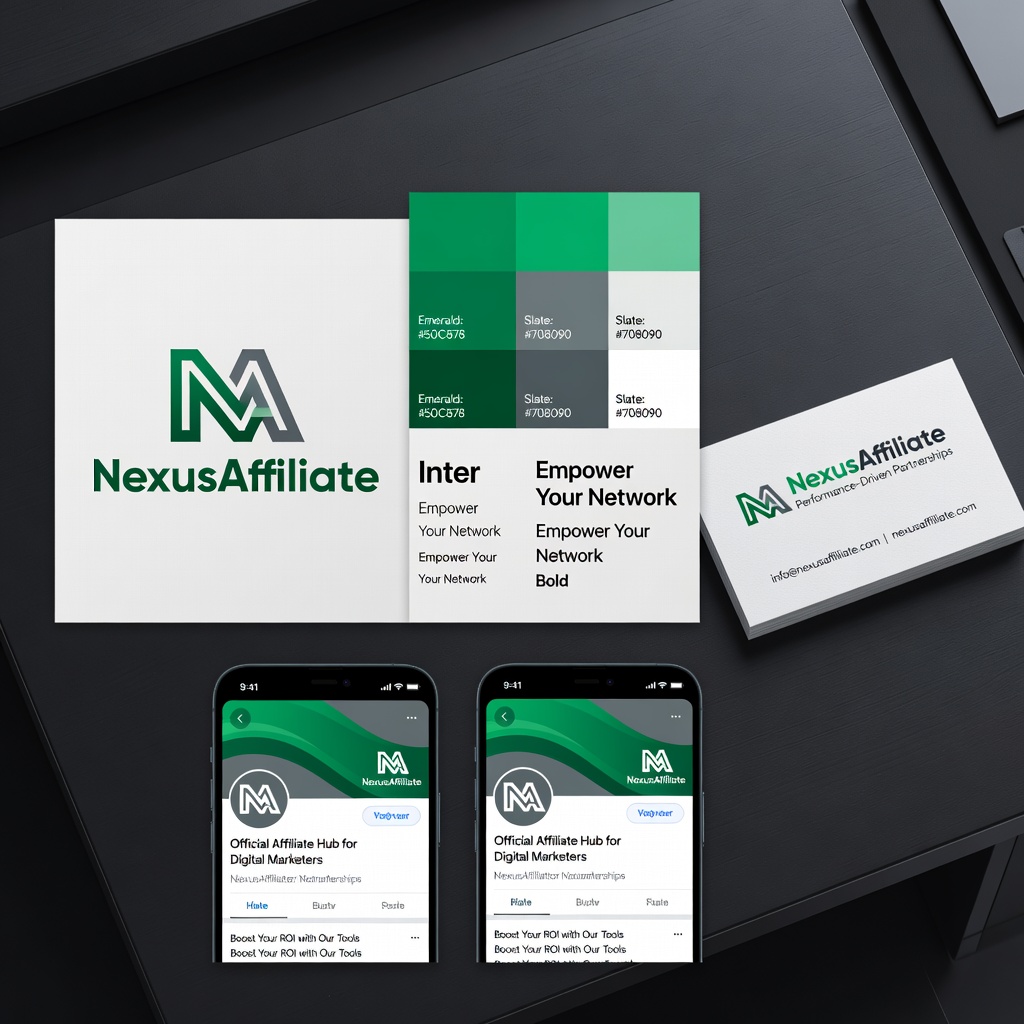
Buildy generates logos instantly. Pick 2–3 brand colors and a clean font. Your site, social profiles, and emails should all use the same visual identity. Consistency signals professionalism, and professionalism drives clicks.
Define your angle
What makes your recommendations different? Maybe you only recommend products you have tested for 30+ days. Maybe you focus on budget options. Maybe you compare every product head-to-head with real photos. Your angle is your brand promise. It is the reason someone bookmarks your site instead of a competitor's.
Set your content approach
Affiliate content works in two main formats:
- Reviews and comparisons (best for high-ticket items. People search “best X for Y” constantly)
- Tutorials and how-tos (best for tools and software. Show people how to use something, then link to it)
Pick the format that fits your niche. You can do both, but start with one and get it right before expanding.
Set Up Your Foundation
A few setup steps before you start creating content. These take an hour and lay the groundwork for everything that follows.
Get your domain
Buy through Buildy in Manage > Domains & Email. Your domain should match your brand name as closely as possible. If your first choice is taken, try adding “reviews,” “guide,” or “hq” to the end.
Create accounts on affiliate networks
- Amazon Associates (free, instant approval)
- ShareASale (free, fast approval)
- Impact (free, some brands manually review applications)
- PartnerStack (SaaS-focused, free)
Understand the rules
Affiliate marketing has legal requirements. You must disclose affiliate relationships. Add “As an affiliate, I may earn a commission from qualifying purchases” to every page with links. It is required by law (FTC in the US) and it actually builds trust with your readers. Transparency is a competitive advantage.
Set up tracking basics
Every affiliate network gives you a unique ID or tracking link. Bookmark your dashboard for each network. You will need to check these weekly to see what is selling, what is getting clicks, and where your revenue comes from.
Tip: Create a simple spreadsheet to track which links you place in which articles. When a product starts selling, you will know exactly which content drove the sale.
You will know Phase 1 is done when:
- □You have chosen your niche with validated earning potential
- □Your brand has a name, logo, and content angle
- □Domain is purchased
- □Affiliate network accounts are created
- □You understand FTC disclosure requirements
Build
Build your website, create content, and set up lead capture.
Build Your Affiliate Website
Your website is where your recommendations live. It needs to be clear, trustworthy, and optimized for getting people to click your affiliate links. A well-designed affiliate site converts browsers into buyers.
Copy and paste this prompt
Essential pages to include
- Homepage with your latest reviews and top recommendations
- Individual review pages (one per product)
- Comparison pages (Product A vs Product B. These convert like crazy)
- About page with your story and affiliate disclosure
- Privacy policy
- Contact page
Affiliate link best practices
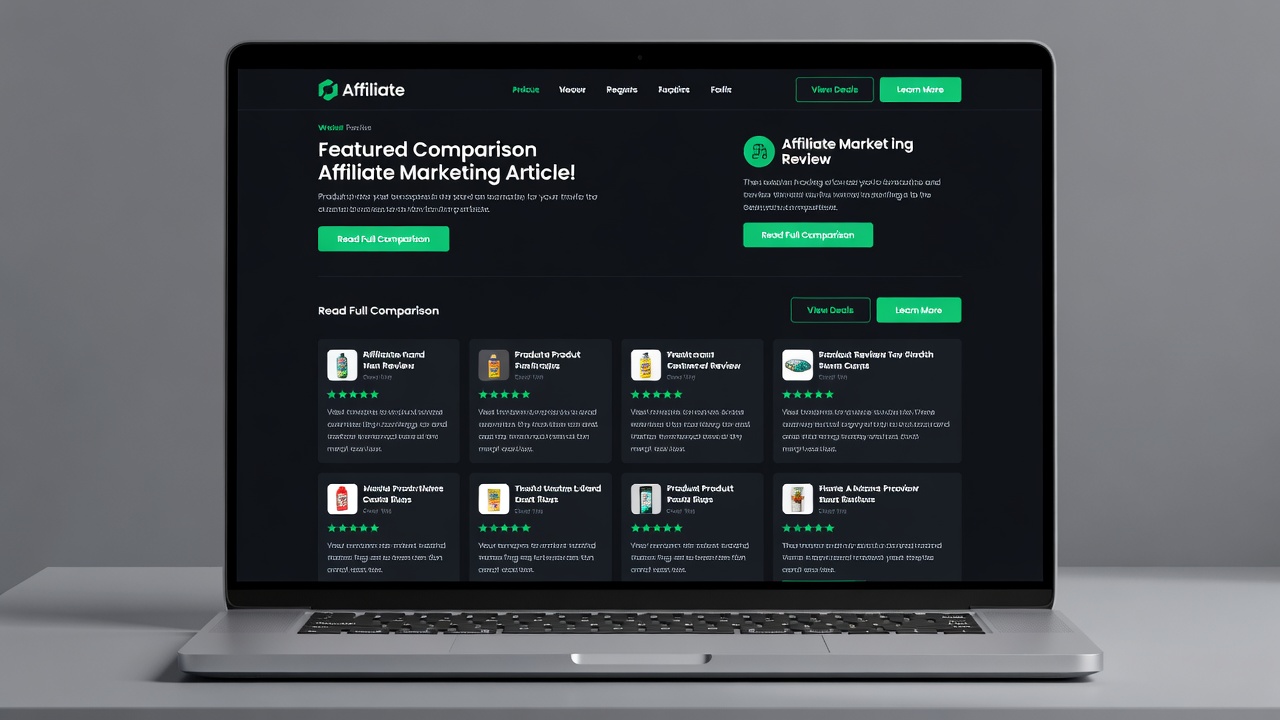
Do not just drop links everywhere. Each link should feel natural, part of a genuine recommendation. Use text links, buttons, and comparison tables. A “Check Price on Amazon” button converts better than a raw URL. Place your most important links above the fold and repeat them at the end of each article.
Ask me this:
“Build me an affiliate marketing website for the [niche] space. I want review pages, comparison tables, and clear affiliate CTAs.”
Create Your First 5 Content Pieces
Content is your affiliate engine. Every article you publish is a 24/7 salesperson. Start with 5 solid pieces that answer real questions people are searching for. Quality over quantity at this stage. Five great articles beat fifty thin ones.
What to write first
“Best [product type] for [audience]”
Example: “Best Running Shoes for Flat Feet.” These roundup posts rank well and include multiple affiliate links in one article.
“[Product A] vs [Product B]”
Comparison posts capture people at the buying stage. They know they want something. They just need to decide which one.
“[Product] full review”
Deep-dive review after using something for 30+ days. Photos, pros/cons, final verdict. The most trusted content format.
“How to [do something]”
Tutorial that naturally recommends tools and products. “How to start meal prepping” leads to links for containers, scale, cookbook.
“Beginner’s guide to [topic]”
Ultimate guide that positions you as the expert. Links to products throughout the article as natural recommendations.
Writing tips that convert
Use the product name in your headline. Include real photos, not just stock images. Be honest about downsides. It builds trust. End every article with a clear recommendation and link. Skip the fluff. People want the answer fast.
Publish in your blog
Go to your site's CMS (Manage > Content), create each article as a blog post, and publish. Make sure your affiliate links are in each post. Double-check that every link uses your correct affiliate ID.

Ask me this:
“Write a detailed review article for [product] that includes pros, cons, and a clear buying recommendation with affiliate links.”
Set Up Lead Capture
Most visitors will not buy on their first visit. An email list captures them so you can follow up. The money is in the list. An affiliate marketer with 1,000 engaged email subscribers often out-earns one with 10,000 monthly page views.
Create your lead magnet
- “Best [niche] product guide” (downloadable PDF)
- “5-day email course on [topic]”
- “Free checklist: 10 things to look for before buying [product]”
- “Exclusive discount codes”
Where to place signup forms
- Top of your homepage
- Bottom of every blog post
- Exit-intent popup
- In your site footer
Connect to your CRM
Every signup goes into Buildy's contacts with a tag like “affiliate-subscriber.” You will email them in Phase 3. The key is capturing the email before they leave your site so you get a second chance to convert them.
Ask me this:
“Create a lead magnet idea for my [niche] affiliate site and set up the signup form on my homepage.”
Set Up Stripe (Optional Direct Sales)
Many successful affiliates mix affiliate commissions with their own digital products. Ebooks, templates, courses. You keep 100% of those sales. This is how you diversify income beyond commissions.
Products you can create
Ebook or Guide
$10–30
Templates or Checklists
$5–15
Mini-Course
$30–100
Community Membership
$10–30/month
Set up Stripe
Head to your site's settings > Payments to connect Stripe. Buildy handles the checkout, payment processing, and receipts. You focus on creating the product.
Or skip this for now
You can build a solid affiliate business with zero products of your own. Come back to this once you have traffic. Pure affiliate is the fastest path to your first dollar. Adding your own products is a scaling move, not a starting move.
Tip: Once you know which products sell best through affiliate links, create a complementary digital product. If your “Best Running Shoes” article gets the most traffic, write a “Marathon Training Plan” ebook and sell it alongside.
You will know Phase 2 is done when:
- □Website is built with all pages working
- □First 5 content pieces are published
- □Affiliate links are placed in all content
- □Email signup form is live and capturing leads
- □FTC disclosure is present on all pages with affiliate links
Get the Affiliate Marketing Checklist
A beautifully formatted printable with all steps, bonus tips, and a 30 day calendar. Delivered instantly. Perfect to stick on your wall and check off as you build.
- All steps in checklist format
- Bonus launch tips not in the guide
- 30-day action calendar
Join 1,000+ entrepreneurs getting weekly tips. No spam, unsubscribe anytime.
Launch & Promote
Set up email sequences, social media, and SEO for long-term traffic.
Email Nurture Sequence
Email is where affiliate marketers make real money. Your list trusts you, which means higher click rates and more commissions. A well-crafted email sequence turns a casual subscriber into a repeat buyer.
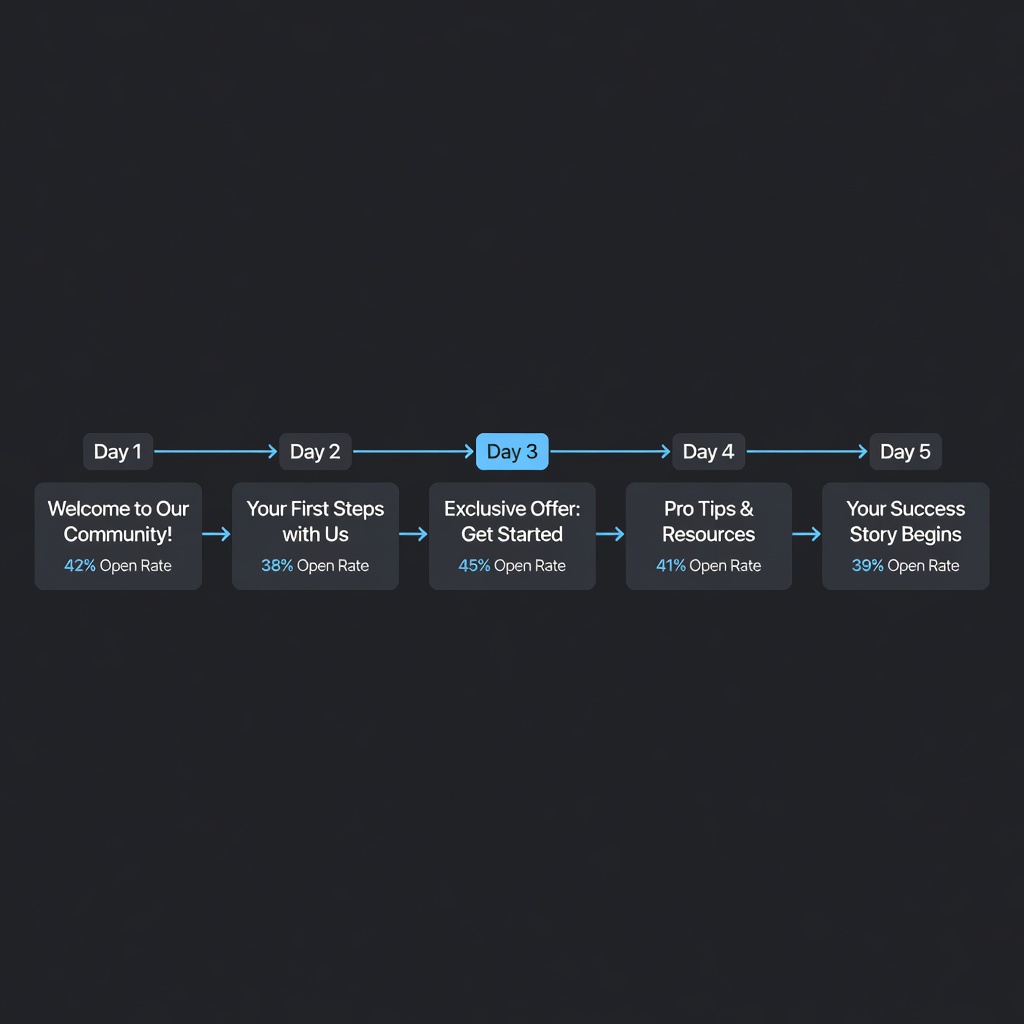
Create a 5-email welcome sequence
Welcome + Lead Magnet
Thank them for joining. Deliver the free resource you promised. Set expectations for what they will receive.
Your Story
Share why you recommend products in this niche. Personal stories build connection and trust.
Top 3 Recommendations
Your top 3 product picks and why. Include affiliate links. This is your first monetized email.
Common Mistakes
Mistakes to avoid when buying in this category. Positions you as a trusted advisor, not a salesperson.
Exclusive Tips + Ask
$Share exclusive tips or a discount code. Ask what they want to see next. Engagement boosts deliverability.
Ongoing newsletter strategy
Send 1–2 emails per week. Mix one helpful tip or tutorial with one product recommendation or deal alert. Follow the 80/20 rule: 80% value, 20% promotion. If every email is a sales pitch, people unsubscribe. If every email is pure value with no links, you leave money on the table.
Track what works
Watch your open rates and click rates. If an email gets high clicks, write more like it. If nobody opens “weekly deals,” stop sending them. Let the data decide your content strategy.
Ask me this:
“Create a 5-day welcome email sequence for my [niche] affiliate site that builds trust and includes product recommendations.”
Social Media Promotion
Social media drives traffic to your content, and your content earns commissions. Pick 2 platforms and go deep. Spreading yourself thin across 5 platforms is worse than dominating 2.
Best platforms for affiliates
Top traffic driver for affiliate sites. Create pins for every article. It is a visual search engine, and affiliate content thrives there.
TikTok / Reels
Product reviews and unboxings drive massive clicks. Be honest and authentic. Short-form video is the fastest way to build trust at scale.
YouTube
In-depth reviews and comparisons. These rank for years. A single YouTube review can drive traffic for 2+ years.
Twitter/X
Build a following by sharing insights and recommendations. Great for SaaS and tech niches.
Lifestyle content with product tags and story links. Works well for fashion, travel, fitness, and home decor niches.
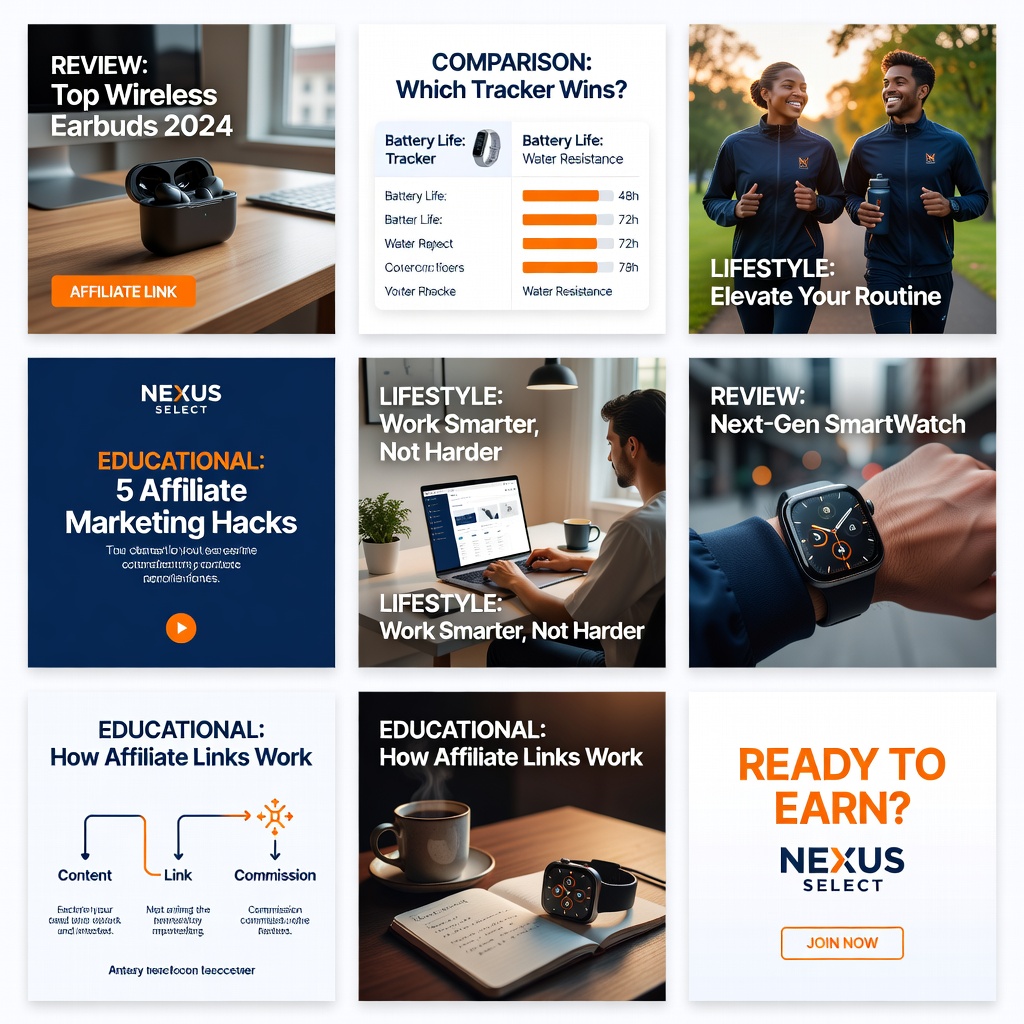
Content ideas
- “3 things I wish I knew before buying [product]”
- Before/after using a product
- Quick comparison: this vs that in 60 seconds
- “The [product] I use every day”
Posting schedule
Start with 3–4 posts per week on your 2 chosen platforms. Repurpose blog content into social posts. Each post links to your site. Consistency matters more than perfection. A mediocre post published beats a perfect post still in your head.
Ask me this:
“Draft my first week of social media posts for my [niche] affiliate brand on Pinterest and [second platform].”
SEO for Long-Term Traffic
SEO is the ultimate passive traffic engine. Rank on Google for product-related searches and you earn commissions while you sleep. The content you write today brings traffic for years. This is what makes affiliate marketing truly passive.
How to find keywords
Think like your reader. What do they type into Google before buying? “Best budget [product],” “[product A] vs [product B] review,” “Is [product] worth it?” These are buying-intent keywords. People searching these are ready to purchase. That is why they convert so well.
On-page SEO checklist
- Include your target keyword in the page title (H1)
- Use the keyword naturally in the first paragraph
- Add subheadings (H2, H3) that address related questions
- Write a compelling meta description (shown in Google results)
- Include images with descriptive alt text
- Link between your own articles (helps Google understand your site structure)
Content freshness matters
Update your articles every 3–6 months. Google favors fresh content. If you wrote about “Best Laptops 2025,” update it when new models release. A quick refresh with current prices and new options keeps your rankings strong.
Patience pays
SEO takes 3–6 months to kick in. The content you write today will bring traffic for years. Keep publishing consistently and the compounding effect is real. Month 1 might bring 100 visitors. Month 6 could bring 10,000. The curve is exponential, not linear.
Tip: Focus on long-tail keywords first. “Best running shoes” is impossible to rank for. “Best running shoes for flat feet under $100” is much more achievable and converts better because the searcher knows exactly what they want.
Ask me this:
“Review the SEO on my homepage and suggest 5 keywords I should target for my [niche] affiliate site.”
You will know Phase 3 is done when:
- □Welcome email sequence is live (5 emails set up)
- □Social media accounts are set up on 2 platforms
- □First week of social posts is drafted
- □All blog posts have SEO titles and meta descriptions
- □You are tracking which content gets the most traffic
Scale
Run paid ads, track performance, and scale your income.
Run Paid Ads to Accelerate
Once you know which content converts, ads speed everything up. You spend $1 on ads, you make $3 in commissions. Scale that up and you have a money-printing machine. The key is knowing what works before you spend a dollar on traffic.
Where to advertise
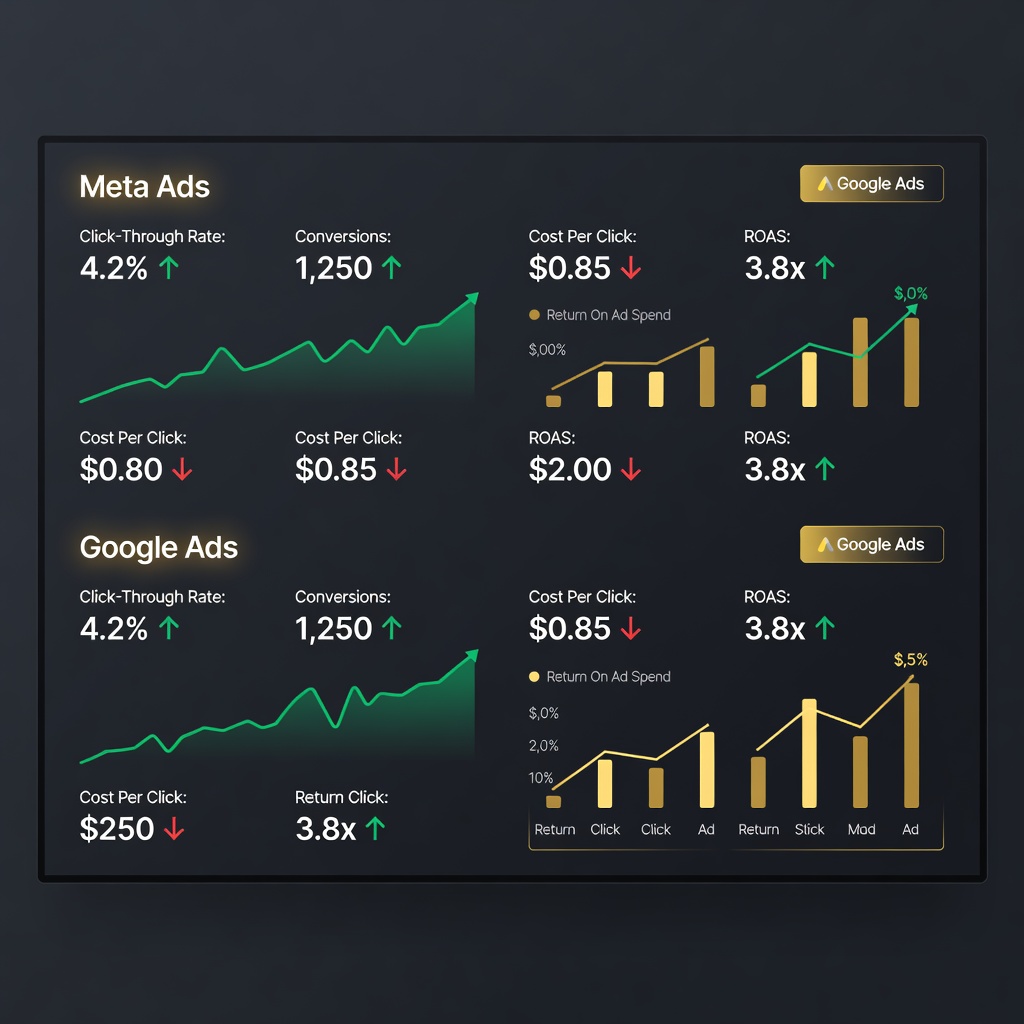
Meta Ads (Instagram/Facebook)
Best for visual products. Target by interests and behaviors. Great for lifestyle niches like fitness, fashion, travel, and home decor.
Google Ads
Bid on buying-intent keywords. People searching are ready to purchase. Higher cost per click but much higher conversion rate.
Pinterest Ads
Underrated for affiliate marketers. Visual search users click through and buy. Lower competition than Meta or Google.
OpenAI Ads
Target people researching products inside ChatGPT. New channel with early-mover advantage. Perfect for comparison and review content.
Start small, test, scale
Pick your best-performing article, the one getting the most traffic or clicks. Run $5–10/day driving traffic to that article. Track ad spend vs affiliate commissions. If it is profitable, increase the budget. If not, tweak the headline or targeting before spending more.
Retargeting
Install Meta pixel on your site. Retarget people who visited but did not click an affiliate link. Serve them a testimonial or comparison ad to bring them back. Retargeting typically converts at 3–5x the rate of cold traffic because these people already know your brand.
Tip: Never run ads to your homepage. Always send ad traffic to a specific article or review page. The more targeted the landing page, the higher your conversion rate.
Ask me this:
“Create a Meta ad campaign driving traffic to my [niche] product review page. Budget: $10/day.”
Track, Analyze & Optimize
Most affiliates guess what works. The ones who track their numbers dominate. Without data, you are flying blind. With data, every decision becomes obvious.
What to track weekly
Page Views
Which articles get the most traffic? Write more about those topics.
Click-Through Rate
What percentage of visitors click your affiliate links? Low CTR means your links need better placement or stronger CTAs.
Conversion Rate
What percentage of clicks turn into sales? Low conversion might mean the wrong product or weak recommendation.
Revenue Per Visitor
How much each visitor is worth to you. This number tells you how much you can spend on ads profitably.
Double down on winners
If one article generates 80% of your commissions, write 5 more like it. If one affiliate program pays 3x more than another, promote those products more prominently. The Pareto principle applies hard in affiliate marketing. A small number of articles and products drive most of your revenue.
Cut what does not work
Low-traffic content? Update it or remove it. Low-converting products? Replace them with ones that sell. Be ruthless about focusing your time on what makes money. Every hour spent on a loser article is an hour stolen from a winner.
Tools to use
Google Analytics (free, shows traffic sources and page performance) and each affiliate network's dashboard (shows clicks, sales, commissions). That is all you need to start. Do not overcomplicate your stack. Add tools only when you have a specific problem they solve.
Scale Your Income
Scaling affiliate income comes down to three levers: more traffic, better conversion, and higher commissions. Pull all three and your income grows exponentially, not linearly.
Lever 1: More traffic
- Publish more content consistently (2–4 articles per week)
- Expand to new platforms (start a YouTube channel, repurpose content)
- Build backlinks (guest post on related sites, get featured in roundups)
- Increase ad spend on profitable campaigns
Lever 2: Better conversion
- Add comparison tables (visually show why your pick wins)
- Use stronger calls-to-action (instead of “click here” try “Check today's price on Amazon — it's currently 20% off”)
- Test different link placements (early in the article vs at the end)
- Add trust signals (screenshots, personal photos, test results)
Lever 3: Higher commissions
- Negotiate higher rates once you prove sales volume
- Add high-ticket products to your portfolio
- Create your own digital product (keep 100%)
- Join higher-paying programs as you build credibility

The goal: semi-passive income
A well-built affiliate site with 50+ articles earns $2,000–10,000+ per month. Content you wrote 6 months ago still earns today. That is the power of this model. You are building an asset, not trading time for money. The work you do in month 1 pays dividends for years.
The compounding effect: Month 1 might earn $0–50. Month 3 could earn $200–500. Month 6 might hit $1,000–2,000. By month 12, a consistent affiliate site with 50+ articles often earns $3,000–10,000+. The curve is not linear. It compounds.
Ask me this:
“Review my affiliate site performance and suggest 3 specific changes to increase my commission revenue this month.”
You will know Phase 4 is done when:
- □At least one paid ad campaign is running
- □You are tracking page views, clicks, and commissions weekly
- □Your best-performing content has been identified
- □You have a content calendar for the next month
- □You know your revenue per 1,000 visitors
If You Get Stuck
Every affiliate marketer hits speed bumps. Here is what to do:
- Affiliate program denied your application?
Most programs want to see a live website with content first. Build your site, publish 5–10 articles, then reapply.
- Not getting approved for Amazon Associates?
Amazon requires at least 10 quality posts. Once your site has content, reapply. Almost everyone gets in on the second try.
- Traffic is low?
It is normal for the first month. Focus on publishing more content and sharing on social media. SEO takes 3–6 months to build momentum.
- Clicks but no sales?
Your audience might not be in a buying mindset yet. Add more comparison and “best of” content. These convert better than informational posts.
- Emails not sending?
Go to Manage > Domains & Email and verify your sending domain is set up.
- Something else?
Just describe what is happening and I will help.
Explore Other Paths
View all 5 →Not the right fit? Check these out:
Not sure which path fits you best?
Take our 60-second discovery quiz and get matched to your ideal business model based on your skills, time, and goals.
Enjoying this playbook? Share it
Help a friend start their business with this guide.
Your Affiliate Business Is Waiting
Start with Step 1 right now. By this time next week, you could have your first commission. Or explore another path if this one isn't the right fit.
