
Launch Your Marketing Agency in 7–30 Days
This playbook covers everything from picking your niche to running paid ads and white-labeling the entire platform under your brand. Follow the 13 steps in order, and you will have a live, client-ready agency in under a month. No marketing degree required.

Before You Start
Here is what you need before diving in:
- •A computer or phone with internet access
- •About 1–2 hours per day for the next week
- •$100–200 initial budget (domain ~$15/yr, initial ads ~$5–10/day, business registration if applicable)
- •A clear idea of what digital marketing service you want to offer
- •No marketing degree required. The platform handles the technical work
Good news: You do not need clients yet. You do not need a portfolio. You just need to follow the steps. The platform does the heavy lifting. You bring the hustle.
Phase 1
Foundation
Days 1–3
Phase 2
Build
Days 3–5
Phase 3
Launch & Promote
Days 5–7
Phase 4
Scale
Days 14–30
Videos rendering — 4 clips in progress
Your 60-second walkthrough of the Digital Marketing Agency playbook is being generated. 4 clips stitched into one seamless intro that auto-plays as a single file.
Foundation
Pick your niche, build your brand, and set up your business.
Pick Your Agency Niche & Services
The most profitable agencies do not do everything. They specialize. Pick one lane, own it, then expand later. A dentist sees other dentists getting results from your social media work and immediately trusts you. That specificity is your superpower.
Choose your focus area
Social Media Management
Run Instagram, TikTok, and Facebook for local businesses. Consistent posting, engagement, and growth.
Web Design
Build and manage websites for small businesses. One-time projects with optional monthly maintenance.
SEO
Help businesses rank higher on Google. Long-term retainers with measurable results.
AI Chatbots & Automation
Set up 24/7 customer support for companies. High demand, low competition.
Email Marketing
Create sequences and newsletters for ecommerce brands. Direct revenue impact makes this easy to sell.
Paid Ads Management
Run Meta, Google, and OpenAI Ads for clients. Performance-based pricing works well here.
Voice AI Agents
Deploy AI phone agents for restaurants, clinics, and service businesses. Cutting-edge and high-value.
Full-Service Digital
Bundle 2–3 services as a complete package. Higher ticket, more comprehensive value.
Pick 2–3 core services to start
You can always add more later. Starting narrow makes you the expert in one thing rather than average at everything. A “social media and email marketing agency for restaurants” is easier to sell than a “full-service digital marketing agency.”
Decide who you serve
Restaurants? Dentists? Ecommerce stores? Real estate agents? Fitness coaches? The tighter your target, the easier it is to find clients. When you serve one type of business, every case study, every testimonial, and every piece of content you create speaks directly to your next prospect.

Ask me this:
“I want to start a digital marketing agency. Help me pick the best niche based on what is in demand right now and what has the lowest competition.”
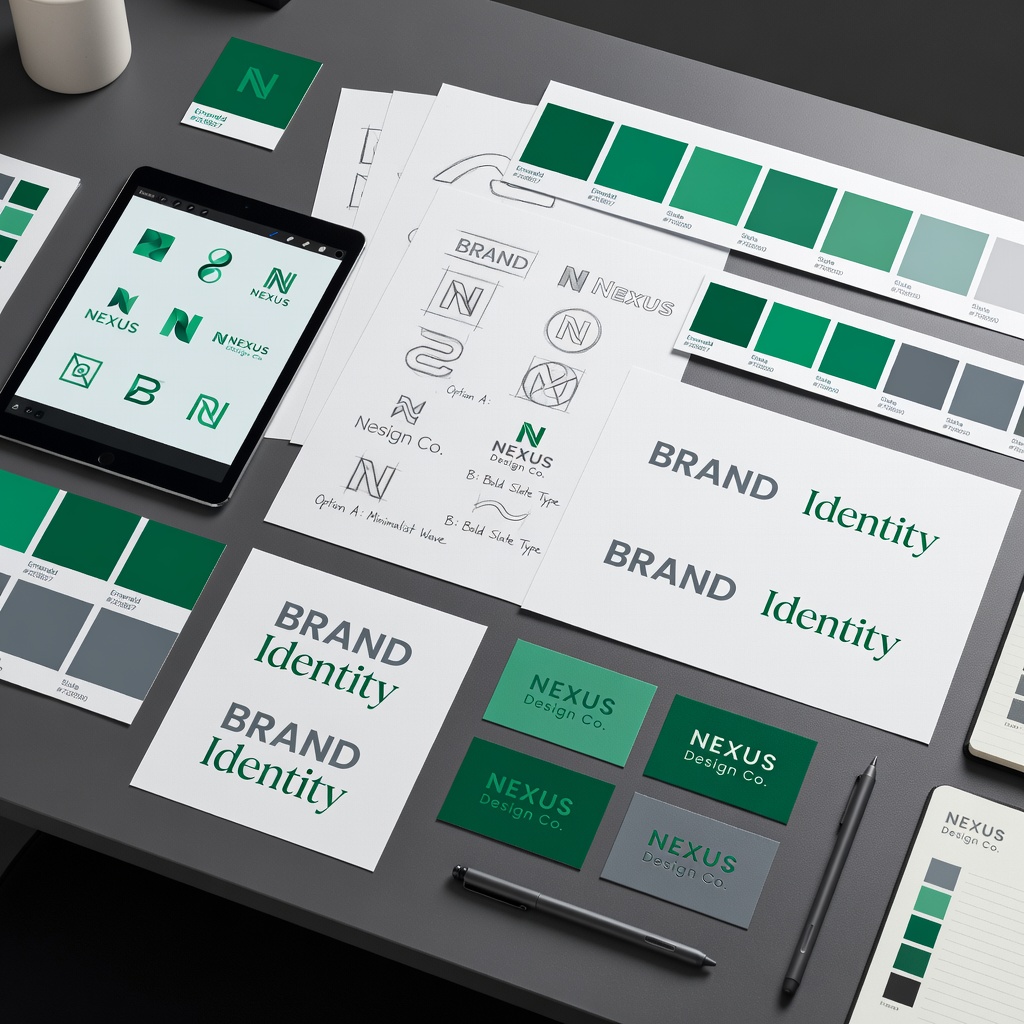
Build Your Agency Brand
Your agency needs a name, a look, and a clear message. Do not overthink this. Pick something professional and move on. You can always rebrand later once you have revenue flowing.
Name your agency
Keep it short (2–3 words max), easy to spell, and easy to remember. Avoid hyphens and numbers. Think “Social Spark,” “Search Rise,” “Bot Flow,” or “Click Engine.” Check if the .com domain is available before falling in love with a name.
Ask me this:
“Generate 15 agency name ideas for a [niche] marketing agency. Keep them short, professional, and easy to spell.”
Create your logo
Once you have a name, the AI generates logos instantly. No designer needed. Pick one that works at small sizes since it will appear in browser tabs, social profiles, and email headers.
Ask me this:
“Create a professional logo for my agency called [name]. Make it clean, modern, and memorable. Use a simple icon with the agency name.”
Define your offer
How do you package your services? Here are the common models:
- Monthly retainer ($500–2,000/mo per client): Predictable income, easiest to sell. Client pays every month for ongoing work.
- Project-based ($1,000–5,000 one-time): Good for website builds or one-off campaigns. Clear scope, clear price.
- Performance-based (% of results): You earn a percentage of revenue generated or leads delivered. Higher risk, higher reward.
Start with a simple monthly retainer. It is predictable and easier to sell because clients understand exactly what they are getting each month.
Set your pricing
Research what other agencies charge in your niche. A social media manager typically charges $500–1,500/month per client. Web design projects range from $1,000–5,000. AI chatbot setups run $300–1,000/month. Price yourself in the middle initially. You can raise rates after 3–5 successful clients and a solid portfolio.
Set Up Your Business Foundation
A few administrative steps before you start taking clients. These take an afternoon and protect you down the road.
Get your domain
Buy through Buildy in the Manage tab, then click Domains and Email. Match your agency name as closely as possible. If “socialspark.com” is taken, try “socialsparkagency.com” or “socialsparkdigital.com.”
Legal basics
Register as an LLC or sole proprietorship in your country. In the US, check your state’s Secretary of State website. Usually costs $50–200 and takes a few days to process. An LLC separates your personal assets from your business, which matters when you start signing client contracts.
- Get a separate business bank account. Keeps your finances clean and makes taxes easier. Most banks offer free business checking.
- Create a simple contract template. Cover scope of work, payment terms, timeline, revision limits, and cancellation policy. I can draft one for you.
Set up payment collection
Stripe handles everything. Create your Stripe account now (free, takes 5 minutes at stripe.com). You will connect it in Phase 2 when you build the site. You will use it to invoice clients and collect recurring monthly payments. Stripe also handles automatic billing so you do not have to chase invoices every month.
Tip: Set up your Stripe account now even before you need it. Verification can take 1–2 business days, and you do not want that delay when your first client is ready to pay.
You will know Phase 1 is done when:
- □You have chosen your agency niche and 2–3 core services
- □You have picked a target client type (restaurants, dentists, etc.)
- □Your agency has a name, logo, and brand colors
- □You have set your pricing and packaged your offer
- □Your domain is purchased or connected
- □You have registered your business and created a Stripe account
Build
Build your website, create your quiz, and set up lead capture.
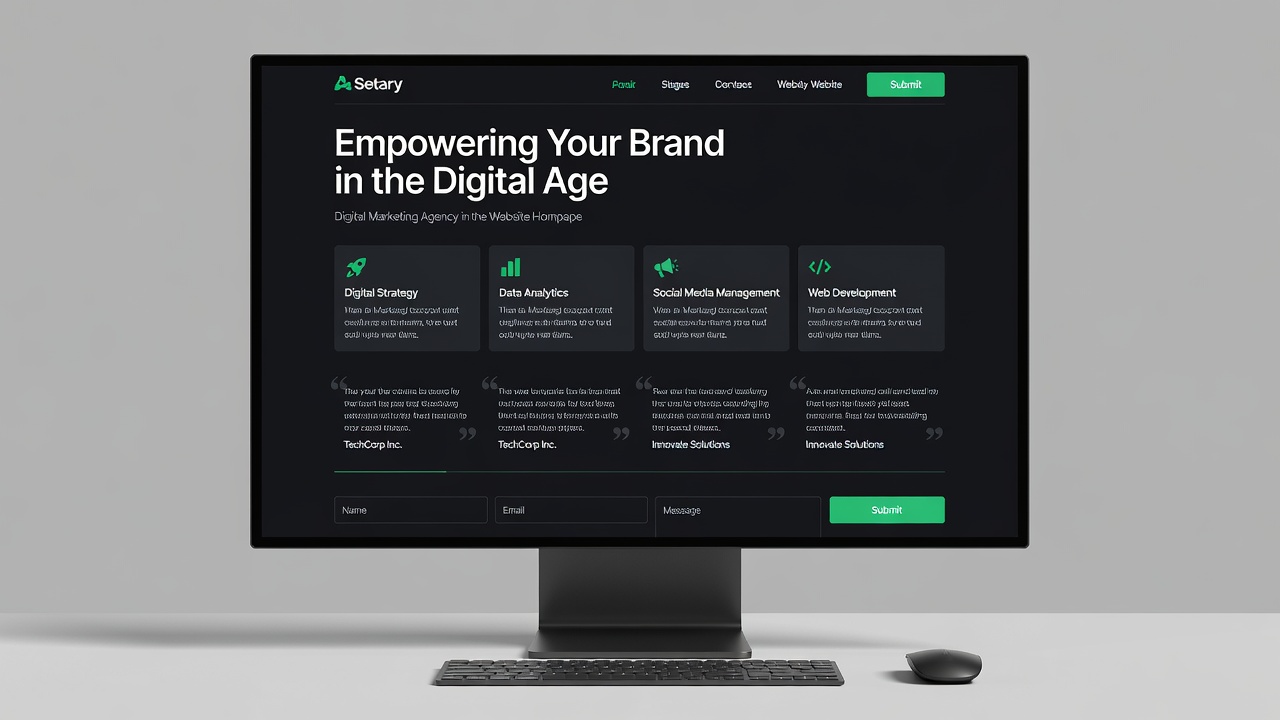
Build Your Agency Website
Your website is your storefront. It needs to instantly communicate what you do, who you help, and why they should hire you. A potential client who lands on your site should think “these people know what they are doing” within 5 seconds.
Copy and paste this prompt
What your site must include
- A clear headline that states what you do and who it is for (“Social Media Management for Restaurants”)
- 2–3 service descriptions with benefits, not just features. Tell them what changes in their business after hiring you.
- A contact form with name, email, business name, and what they need help with
- Testimonials (use placeholder ones initially, replace with real ones as they come in)
- An about page with your story. People buy from people, not faceless companies.
Review and refine
Go through every page. Check links work, text reads well, and it looks good on your phone. Most of your ad traffic lands on mobile devices. If something does not look right, just tell me:
- “Make the services section more visually appealing”
- “The contact form is hard to find, make it more prominent”
- “Add a section showing results or numbers we have gotten for clients”
Ask me this:
“Build me a digital marketing agency website for my [niche] agency called [name]. Include a homepage, services page, about page, testimonials, and contact form.”
Create Your Discovery Quiz
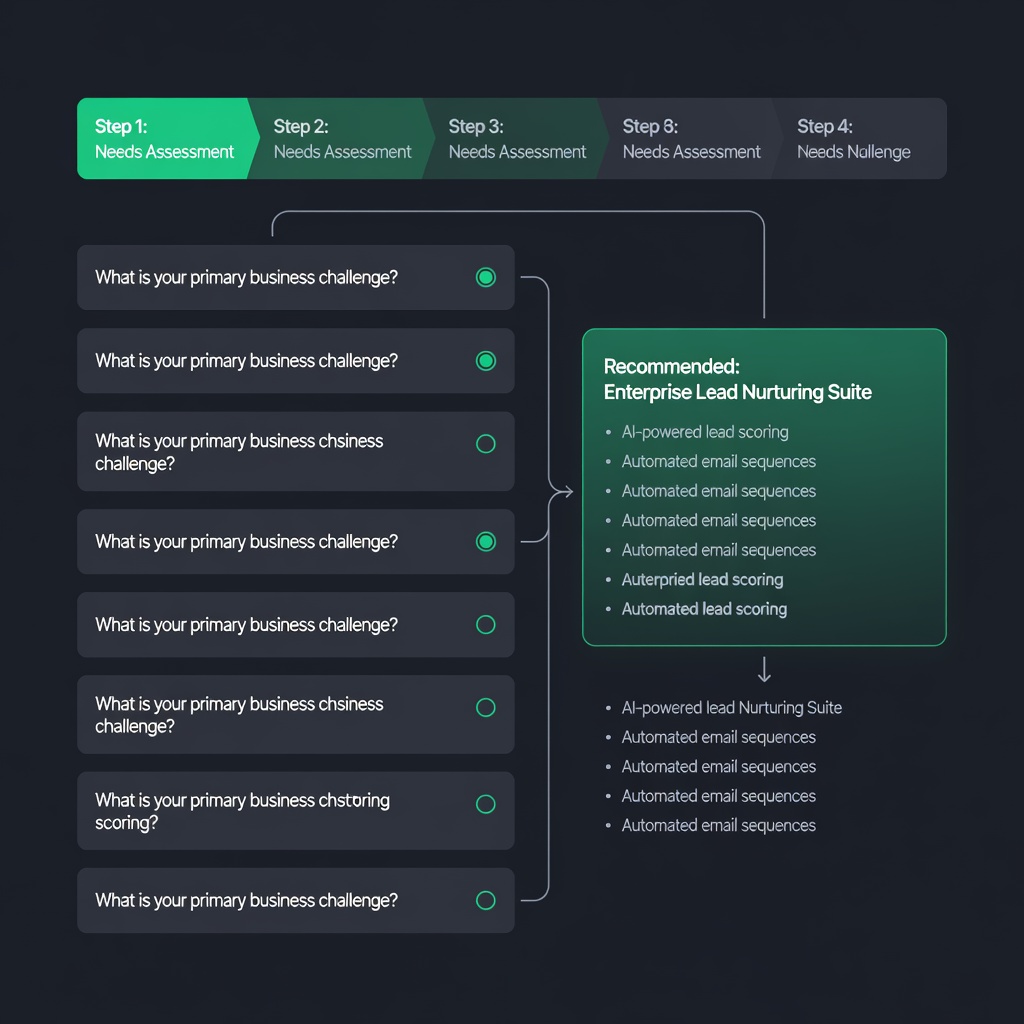
A discovery quiz is your best lead generation tool. Instead of a boring contact form, potential clients answer a few questions about their business and get a personalized recommendation. The quiz automatically qualifies leads. Only serious prospects fill it out, which saves you from wasting time on people who are not ready to buy.
What the quiz should ask
- What best describes your business? (Restaurant, Ecommerce, Healthcare, Real Estate, Other)
- What is your biggest marketing challenge right now? (Not enough leads, Low website traffic, Poor social media presence, No time to manage marketing)
- What is your monthly marketing budget? (Under $500, $500–1,000, $1,000–2,500, $2,500+)
- How soon do you want to start? (Immediately, Within a month, Just researching)
- What is your email address? (So you can follow up with their personalized recommendation)
What happens after
Based on their answers, the quiz recommends the right service package. Their responses are saved as tags in your CRM (like “low-budget,” “urgent,” “ecommerce”) so you can follow up with the right message. A “ready-now” lead with a $2,500+ budget gets a different email than someone who is just browsing.
Set up the follow-up
When someone completes the quiz, automatically trigger a welcome email sequence. You will set this up in Phase 3. The key is speed: leads who get a response within 5 minutes are 10x more likely to convert than those who wait an hour.
Ask me this:
“Create a discovery quiz for my [niche] marketing agency. I want 4–5 questions that qualify leads and recommend service packages based on their answers.”
Set Up Lead Capture & CRM
Every lead that comes through your site needs to land in one place. The built-in CRM handles this automatically. Contact form submissions, quiz completions, chatbot conversations, and ad clicks all flow into the same contact database.
Where leads come from
- Contact form on your website
- Discovery quiz completions
- Chatbot conversations
- Social media link clicks
- Ads landing pages
How to organize contacts
Use tags to categorize leads so you can send targeted follow-ups:
hot-lead
quiz-completed
low-budget
ready-now
A “ready-now” lead gets a direct call-to-action to book a call. A “low-budget” lead gets your starter package pitch. Send the right message to the right person.
Set up notifications
Turn on email alerts for new leads. When someone fills out your form or quiz, you get an instant notification so you can follow up while they are still warm. The fastest agency to respond usually wins the client.
Build Service Delivery Templates
When a client signs up, you need to deliver fast. Pre-build templates so you are not starting from scratch every time. The faster you can show results, the faster you get referrals and testimonials.
Create your service templates
Website Template
Build one generic website you can customize per client. Swap colors, logo, copy, and images. Each new website project takes 30 minutes instead of 10 hours.
Social Media Content Calendar
Pre-draft a month of posts you can brand for each client. Mix of educational content, promotional posts, and engagement pieces.
Email Sequence Template
One welcome sequence, one nurture sequence. Reuse and customize the copy for each client's brand voice and offers.
Chatbot Configuration
Train one AI chatbot on common FAQs, then adapt per client's business. The platform handles the AI. You just feed it the right information.
Ad Campaign Structure
Save campaign templates in Meta and Google Ads to duplicate per client. Same proven structure, different creative and targeting.
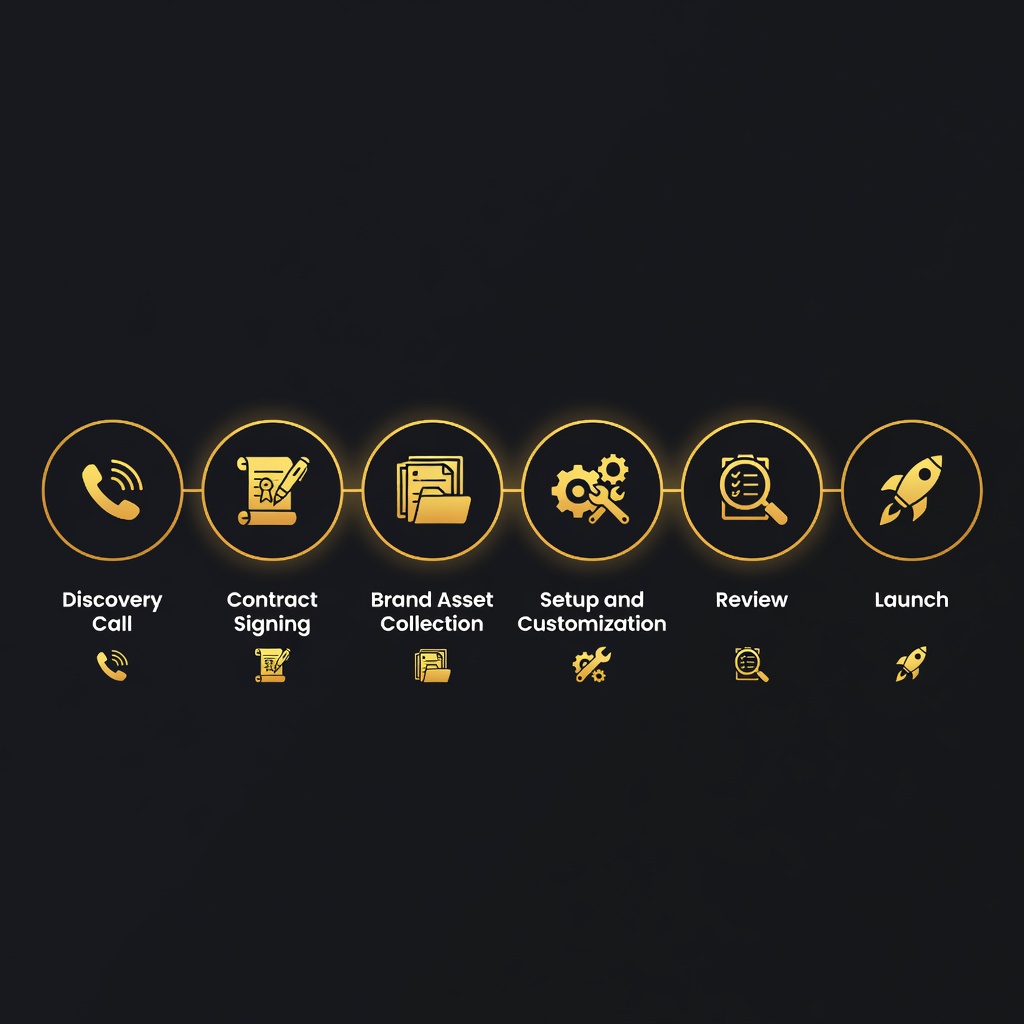
Set up your onboarding workflow
Every client goes through the same process:
- Kickoff call (understand their business and goals)
- Collect brand assets (logo, colors, photos, existing content)
- Deploy your templates (customize for their brand)
- Review and revisions (client approves everything)
- Launch (go live and start delivering results)
Write this down so nothing falls through the cracks. Consistency builds trust, and trust builds retention.
White-label advantage
With the white-label program, each client gets their own subdomain with your branding. They log into their own dashboard and see your agency, not the underlying platform. You set the price, you keep the margin. This is how agencies scale from solo operations to six-figure businesses.
Ask me this:
“Set up my client onboarding email sequence that goes out automatically when a new client signs up. Include a welcome email, a next-steps email, and a timeline overview.”
You will know Phase 2 is done when:
- □Agency website is built with all pages working
- □Discovery quiz is live and capturing leads
- □Contact form feeds into the CRM with proper tags
- □Service delivery templates are ready for your core offerings
- □Stripe is connected for client payments
Get the Agency Launch Checklist
A beautifully formatted printable with all steps, bonus tips, and a 30 day calendar. Delivered instantly. Perfect to stick on your wall and check off as you build.
- All steps in checklist format
- Bonus launch tips not in the guide
- 30-day action calendar
Join 1,000+ entrepreneurs getting weekly tips. No spam, unsubscribe anytime.
Launch & Promote
Set up email sequences, build your social presence, and launch paid ads.
Email Nurture Sequence
Not every lead is ready to buy today. An email nurture sequence keeps you top of mind until they are. The average B2B buyer takes 2–3 months to decide. Without a nurture sequence, you lose every lead who is not ready this week.
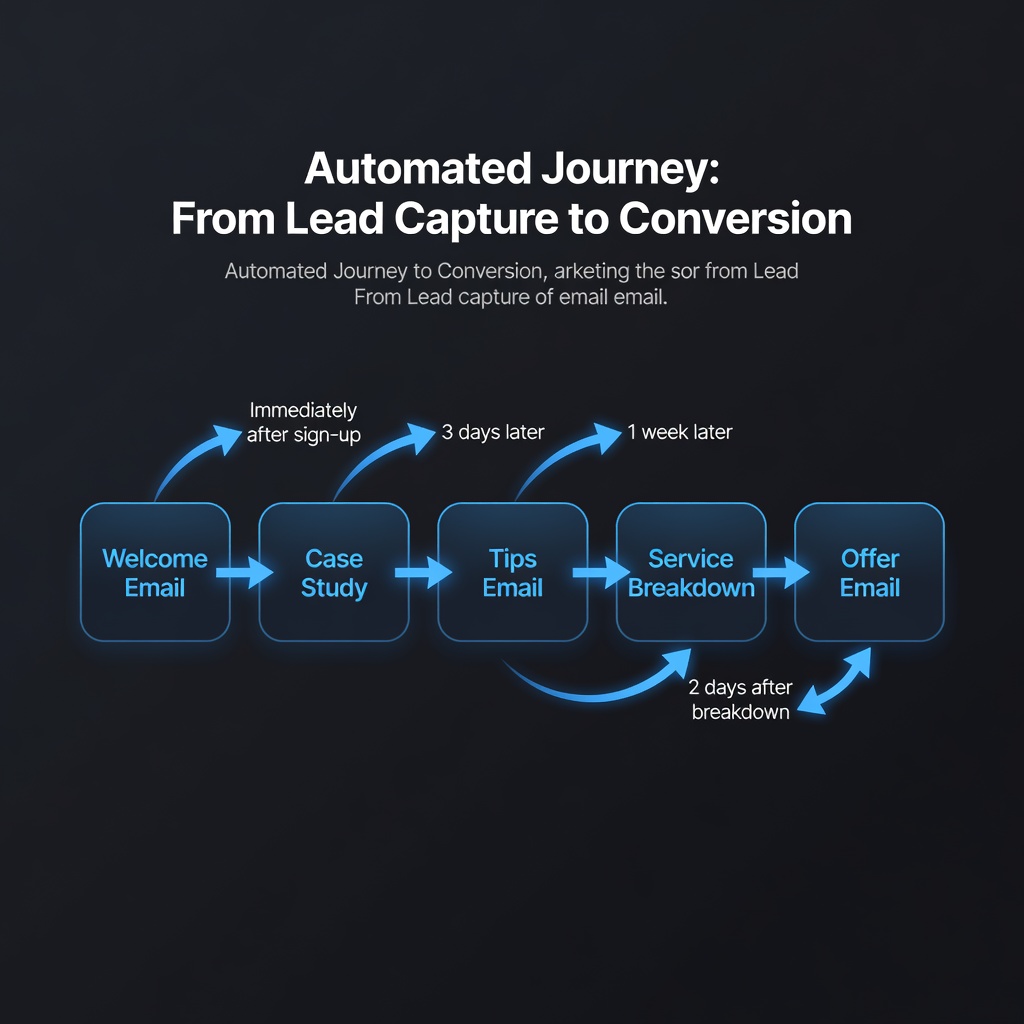
Create your welcome sequence (5 emails)
Welcome & Expectations
Thank them for reaching out. Tell them what to expect next. Include a quick win or valuable tip they can use immediately.
Case Study or Result
Share a specific result you have gotten for a client. Numbers speak louder than promises. “We increased Restaurant X's Instagram following by 340% in 60 days.”
Common Mistakes & Education
Share 3–5 common mistakes businesses in their niche make with marketing. Position yourself as the expert who knows what not to do.
Service Breakdown
Explain what is included in your service packages, how the process works, and what the timeline looks like. Remove every objection before they ask.
Direct Offer
Make the ask. “Ready to get started? Book a free 15-minute strategy call and we will map out exactly what your business needs.” Clear next step.
Segment your list
Quiz-takers who showed high budget get the premium package pitch. Low-budget leads get the starter package. Send the right message to the right person. A restaurant owner with a $2,500/month budget does not need to see your $500/month starter pitch.
Set up AI auto-reply
When someone replies to your emails, the AI responds instantly. It answers questions, handles objections, and books calls, even while you sleep. Go to Manage → Email and turn on AI auto-reply. This alone can double your conversion rate from leads to booked calls.
Ask me this:
“Create a 5-day welcome email sequence for my [niche] marketing agency. Focus on building trust, showing expertise, and moving leads toward booking a strategy call.”
Social Media & Content Marketing
You are a marketing agency. You need to look the part online. Consistent content builds credibility and attracts clients who are already looking for your services. If you claim to be great at social media but your own accounts are empty, nobody will hire you.
Which platforms to focus on
Best for B2B. Connect with business owners directly. Share marketing insights and case studies. This is where decision-makers hang out.
Showcase client results, behind-the-scenes work, and quick tips. Visual proof of your agency's capabilities.
Twitter / X
Share marketing insights, join conversations with other marketers, and build authority in your niche.
Join local business groups, share case studies, and connect with small business owners in your target market.
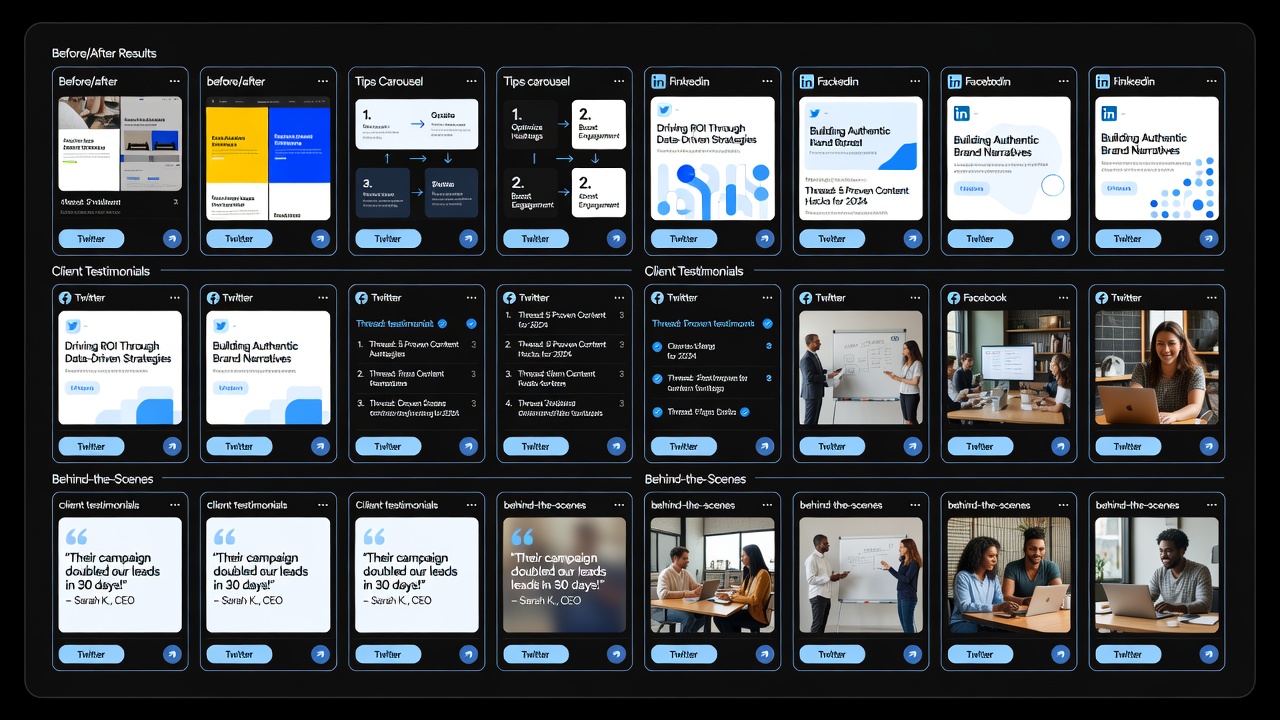
Content ideas for agencies
- Before/after results (website redesigns, ad performance improvements, follower growth)
- Quick marketing tips (30-second video or carousel format)
- Client wins and case studies (with permission, share specific numbers)
- Common marketing mistakes and how to fix them
- Your agency story and why you started
Posting schedule
Start with 3–4 posts per week. Consistency beats volume. One post every other day is better than 7 posts in one day followed by silence for two weeks. Use the platform to generate a week worth of posts in 5 minutes.
Ask me this:
“Draft my first week of social media posts for my [niche] marketing agency on LinkedIn and Instagram. Mix educational content, case studies, and engagement posts.”
Paid Ads to Find Clients
Once your site and funnel are ready, ads bring in leads predictably. Start small, test messaging, scale what works. Your first ad does not need to be perfect. It needs to exist.
Meta Ads (Facebook + Instagram)
Target business owners by interest and job title. “Small business owners interested in marketing” or “restaurant owners” if that is your niche. Budget: $5–10/day to start. Let the ad run for 3–5 days before judging results.
- Use video ads when possible. They get cheaper clicks than static images.
- Lead to your discovery quiz, not your homepage. The quiz qualifies leads automatically.
- Test 2–3 different headlines and images. Let the data tell you what works.
Google Ads
Bid on keywords your clients search:
- “social media manager for dentists”
- “website designer for restaurants”
- “SEO agency for ecommerce”
- “marketing agency near me”
These are high-intent searches from people ready to hire. Higher cost per click than Meta, but the leads are further along in their decision.
OpenAI Ads (ChatGPT)
Place ads inside ChatGPT where business owners ask “how do I get more customers?” or “best marketing agency for restaurants.” Higher cost but ultra-targeted to people actively seeking solutions.
Pro tip: Start with one platform. Get it working, then expand. Trying Meta, Google, and OpenAI all at once on day one spreads your budget thin and makes it impossible to tell what is working.
Ask me this:
“Create a Meta ad campaign for my [niche] marketing agency targeting [target client type]. Budget is $10/day. Write the ad copy and suggest targeting.”
Ask me this:
“What keywords should I target in Google Ads for a [niche] marketing agency? Give me 10 high-intent keywords with estimated cost per click.”
You will know Phase 3 is done when:
- □Email nurture sequence is live and active (5 emails over 7 days)
- □AI auto-reply is turned on for email responses
- □Social accounts are created and connected on at least 2 platforms
- □First week of posts is drafted and scheduled
- □At least one ad campaign is set up (Meta, Google, or OpenAI)
Scale
Land your first clients, automate delivery, and scale to six figures.
Onboard Your First Clients
Getting your first clients is the hardest part. Once you have 2–3 and results to show, referrals start flowing. The first client is always the hardest. The tenth one finds you.
Where to find your first clients
- Your existing network: Friends, family, former colleagues. Tell everyone what you are doing. Your first client is often someone you already know.
- Facebook and LinkedIn groups: Join groups where your target clients hang out. Answer questions, share value, become a known name.
- Local business directories and Google Maps: Find businesses with poor online presence and reach out directly.
- Upwork and Fiverr: Lower rates but builds portfolio fast. Get 3–5 reviews, then raise your prices.
- Cold outreach: Personalized emails or DMs to business owners. Share a specific observation about their business first.
What to say in outreach
Do not pitch immediately. Start with value. Share a quick tip or observation about their business:
Give first, ask later. When they reply (and they will, because you offered something free), then you can have a conversation about working together.
Offer a trial or discount
For your first 2–3 clients, offer a reduced rate in exchange for a testimonial:
This builds your portfolio fast. After 3–5 successful clients with testimonials, you never need to discount again.
Automate Client Delivery
The key to scaling an agency is making delivery hands-off. The platform does the work. You manage relationships and strategy. If you are doing everything manually, you will hit a ceiling at 5–7 clients and burn out.
What to automate
AI Chatbots for Each Client
Trained on their business, handles customer questions 24/7. You charge clients a monthly fee for this. They save on hiring support staff. Everyone wins.
Voice Agents
AI phone agents for appointment booking and FAQs. Restaurants, clinics, and service businesses pay $300–500/month for this. It answers every call, never misses a lead.
Social Media Scheduling
Draft posts in bulk, schedule them out. One afternoon of work covers a whole month of content for each client.
Email Sequences
Set up automated email sequences for each client's customers. Welcome series, abandoned cart, re-engagement. All running on autopilot.
Monthly Reports
Use analytics to show clients their results automatically. Website traffic, leads generated, social growth, email opens. Clients who see results stay longer.
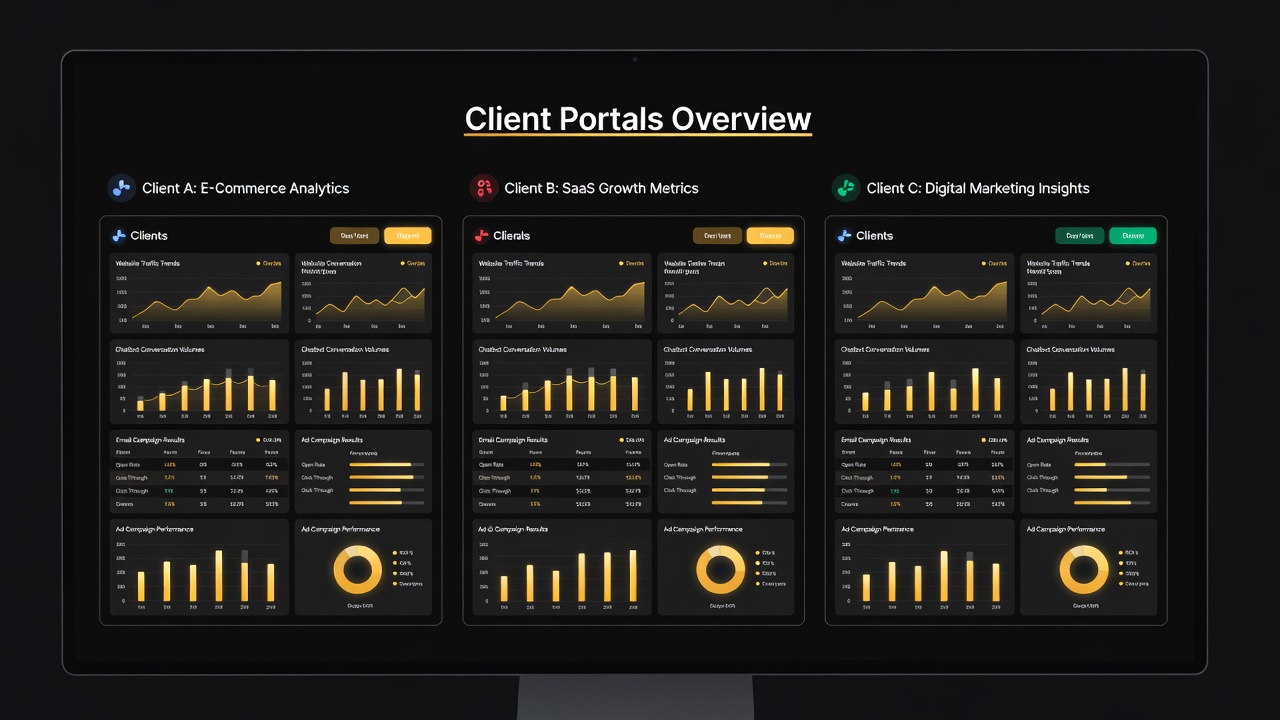
Create client dashboards
Each client gets their own white-label dashboard where they can see their website traffic, chatbot conversations, email performance, and ad results. All in one place, under your brand. This makes you look like a full-service agency with custom technology, even though the platform does all the heavy lifting.
Hire when you hit capacity
At 8–10 clients, you will need help. Hire a virtual assistant to handle client communication, or bring on a junior marketer. The platform handles delivery. You need people for relationships. Your job shifts from doing the work to managing the business.
Ask me this:
“Set up an AI voice agent that can answer client questions and book consultation calls for my agency. It should know my services, pricing, and availability.”
White-Label & Scale to 6 Figures
Once your agency is running smoothly, the white-label program turns it into a platform business. You are no longer trading time for money. Each client pays monthly, the platform delivers, and you collect the margin. This is how solo agencies become six-figure businesses.
How white-label works
You sell the entire platform under your own brand. Clients get their own subdomain (clientname.youragency.com or their own domain), their own dashboard, their own AI agents, and all the tools. You set the price, you keep the margin, and the platform handles the infrastructure. Your clients never know there is anything behind the scenes.
Pricing tiers to offer
Starter
$500–1,000/mo
Website + chatbot + basic SEO. Perfect for small businesses just getting started online.
Growth
$1,000–2,500/mo
Everything in Starter + social media management + email automation + monthly reporting.
Premium
$2,500–5,000+/mo
Full service including paid ads management + voice AI agent + dedicated support + priority response.
Scale your agency
- Build a referral program: Offer one month free for every client referred. Your happiest clients become your best salespeople.
- Create case studies: Document every client win. Numbers, screenshots, before/after. Content that attracts inbound leads.
- Run retargeting ads: Target people who visited your site but did not sign up. They already know you. A reminder converts.
- Partner with complementary businesses: Web developers, graphic designers, business coaches. They refer clients to you, you refer clients to them.
- Speak at local events: Host free workshops for business owners. “5 Marketing Mistakes Killing Your Restaurant.” You educate, you get leads.
Know your numbers
Track these metrics weekly. They tell you exactly where to invest and when to hire:
Cost Per Lead
How much you spend on ads to get one qualified lead. If you spend $50 on ads and get 5 leads, your CPL is $10.
Client Acquisition Cost
Total marketing spend divided by new clients signed. If you spend $500 and sign 2 clients, your CAC is $250.
Revenue Per Client
Average monthly revenue per client. This tells you how much you can afford to spend acquiring each one.
Monthly Churn Rate
What percentage of clients leave each month. Keep this under 10%. If it is higher, your delivery needs work.
You did it. You went from zero to a live, scalable agency. Most people never start. You are already ahead. Keep going, keep learning, and keep improving. Your agency will get better every week, and every client you serve makes the next one easier to land.
You will know Phase 4 is done when:
- □You have signed your first 2–3 paying clients
- □Client onboarding process is documented and repeatable
- □AI agents are deployed for at least one client
- □You have a case study or testimonial from a client
- □You know your cost per lead and revenue per client
- □White-label pricing tiers are defined and ready to sell
🎉 Congratulations! You have completed all four phases. Your agency is now live, delivering results, and ready to scale. Keep iterating based on your data, and remember: every successful agency started exactly where you are now.
If You Get Stuck
Every agency hits speed bumps. Here is what to do:
- Site not looking professional?
Tell me: “Make my agency website look more premium and modern”
- Not getting leads from your quiz?
Tell me: “Review my discovery quiz and suggest improvements to increase completions”
- Clients not responding to outreach?
Tell me: “Help me write a better cold outreach message for [client type]”
- Emails going to spam?
Go to Manage > Domains and Email and verify your sending domain is properly set up.
- Ads not converting?
Tell me: “Review my ad campaign and suggest targeting or copy improvements”
- Something else?
Just describe what is happening and I will help.
Explore Other Paths
View all 5 →Not the right fit? Check these out:
Not sure which path fits you best?
Take our 60-second discovery quiz and get matched to your ideal business model based on your skills, time, and goals.
Enjoying this playbook? Share it
Help a friend start their business with this guide.
Your Agency Is Waiting
Start with Step 1 right now. By this time next week, you could have your first client. Or explore another path if this one isn't the right fit.
